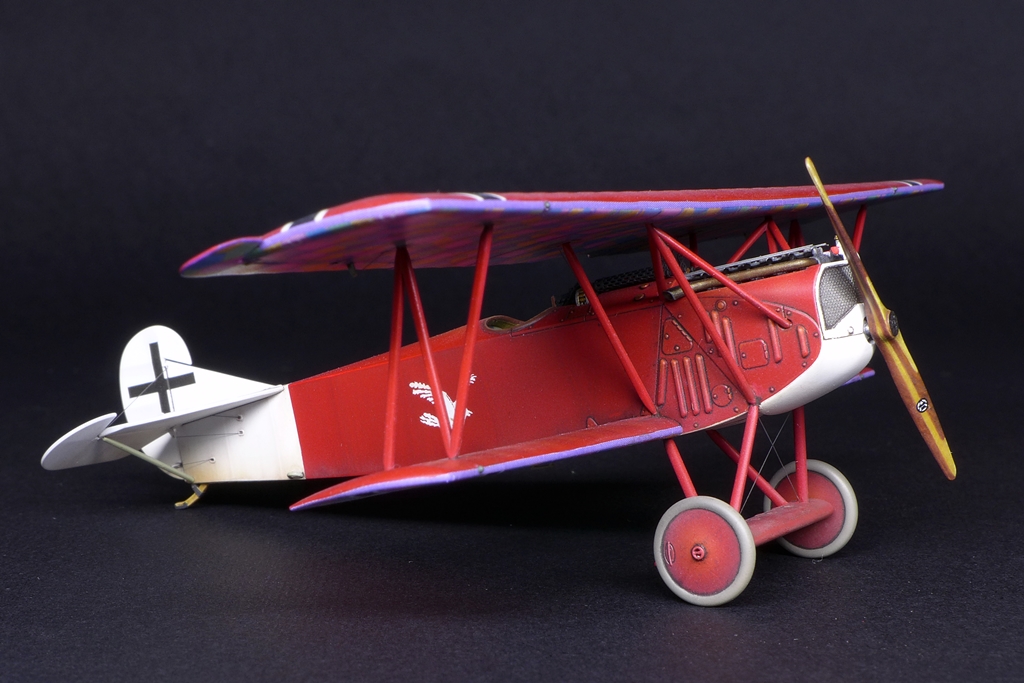
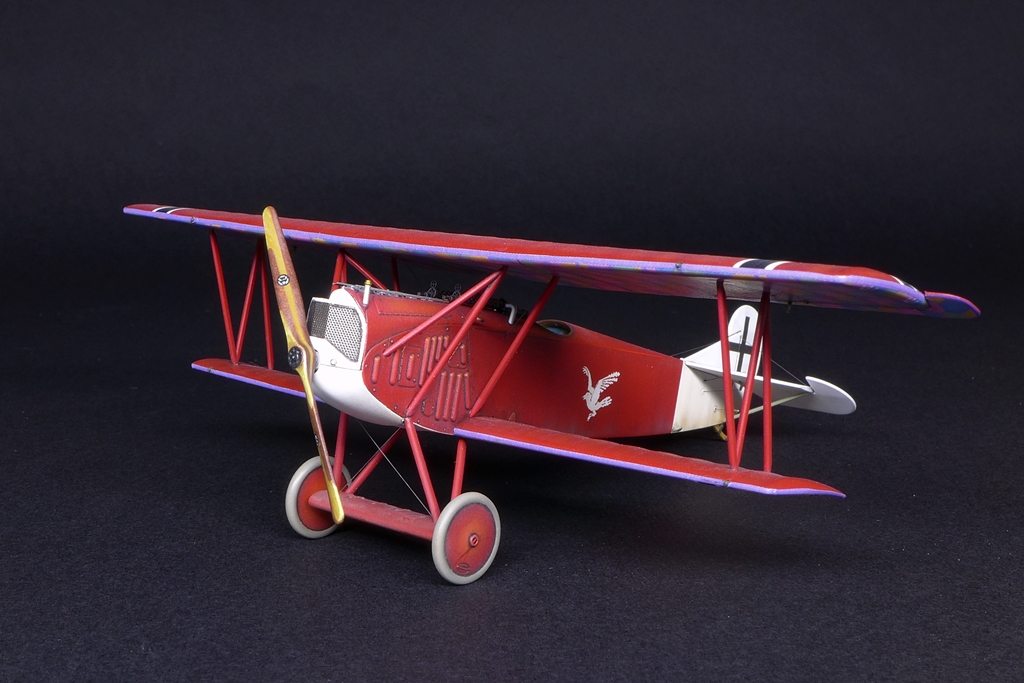
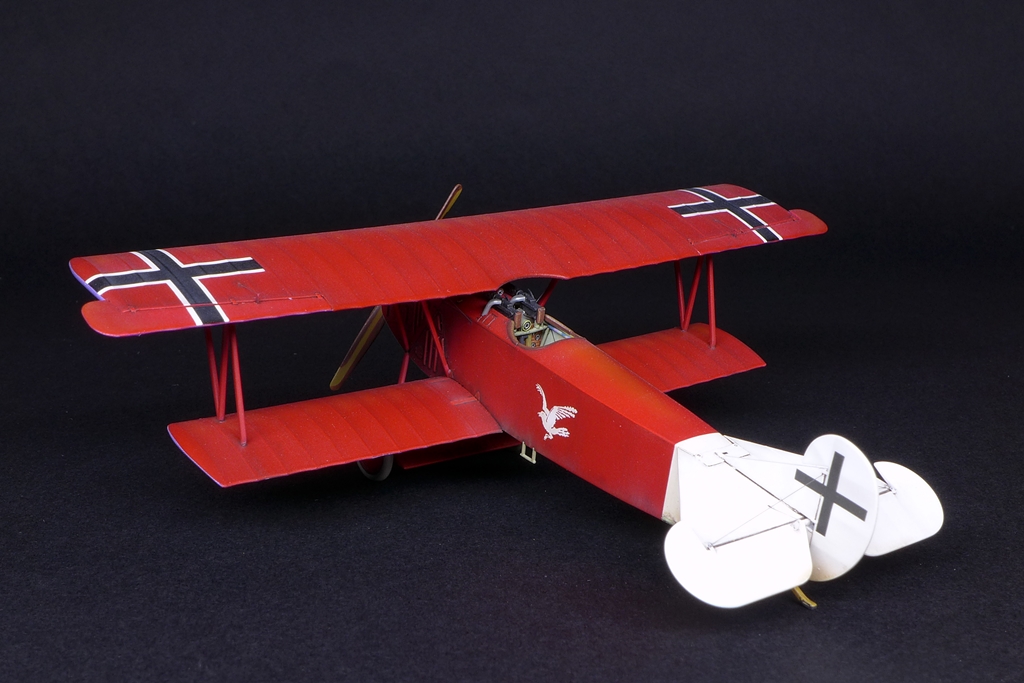
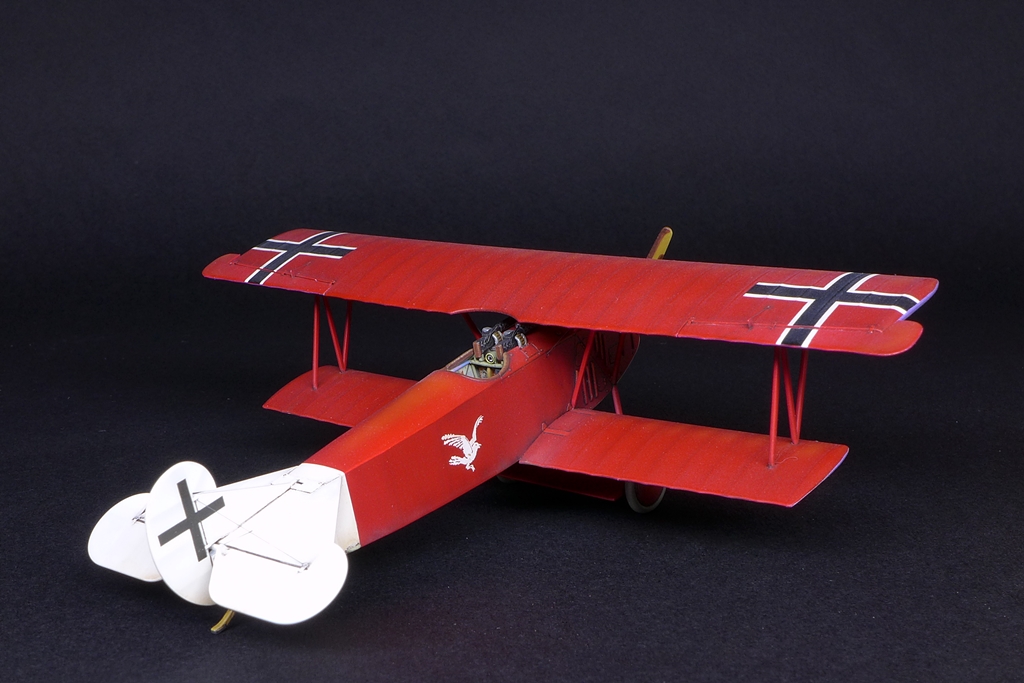
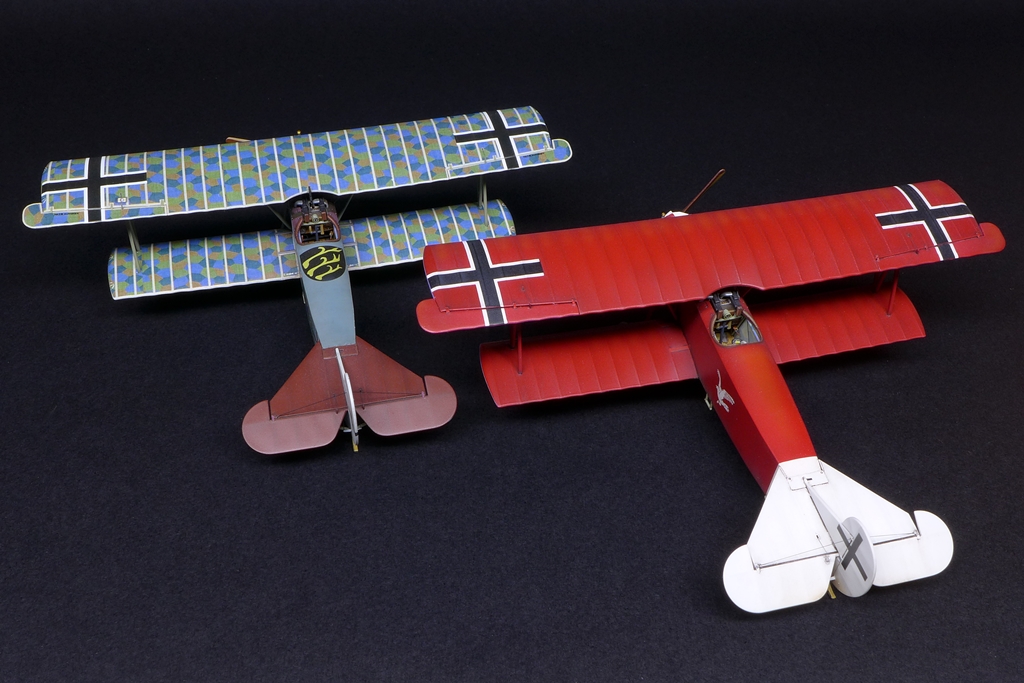
Fokker D.VII 1/72 Eduard Jasta 18 and Jasta 65
The Fokker D.VII is undoubtedly the best German fighter plane from World War I, although its fame and renown are somewhat overshadowed by Fokker’s triplane Dr.I, which will forever be associated with the name Manfred von Richthofen. Nevertheless, the D.VII was a robust, powerful machine that posed a dangerous threat to every Allied pilot.
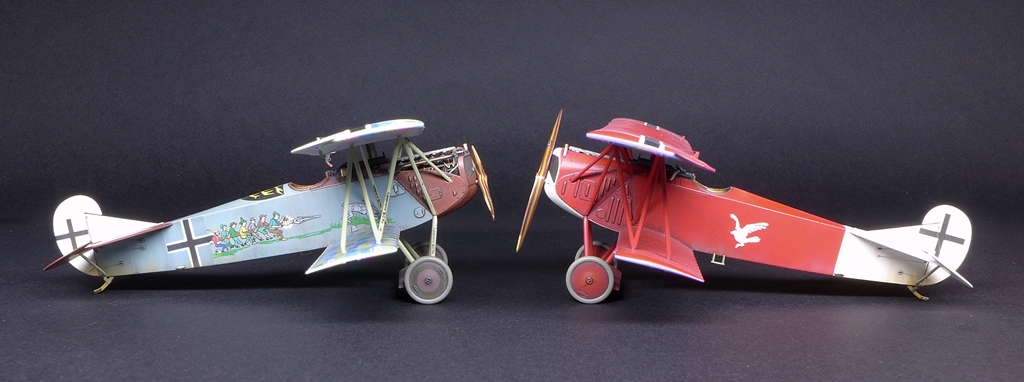
In 1/72 scale, the Eduard model represents the state of the art in models of this type available on the market. It has replaced the Roden model, which was quite nice for its time, and we will see if anyone dares to come up with a new model.
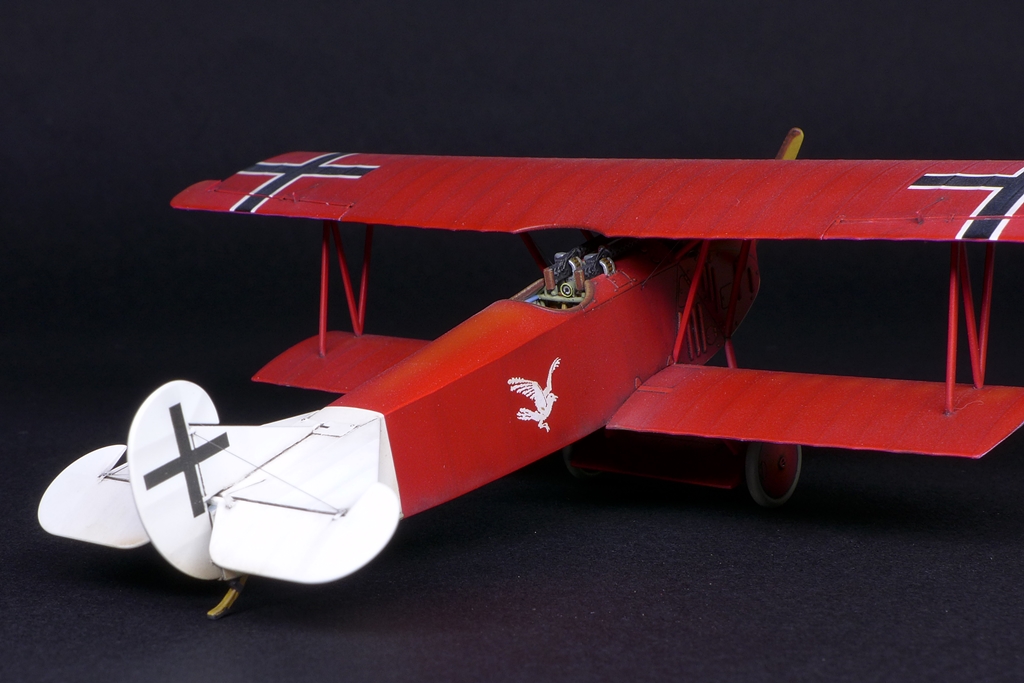
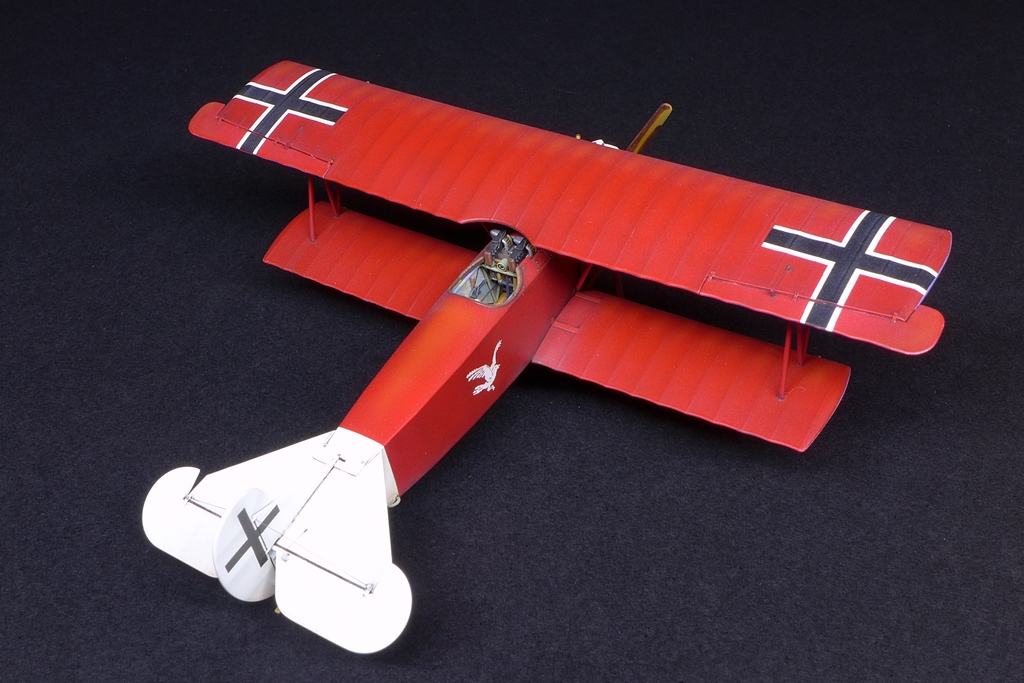
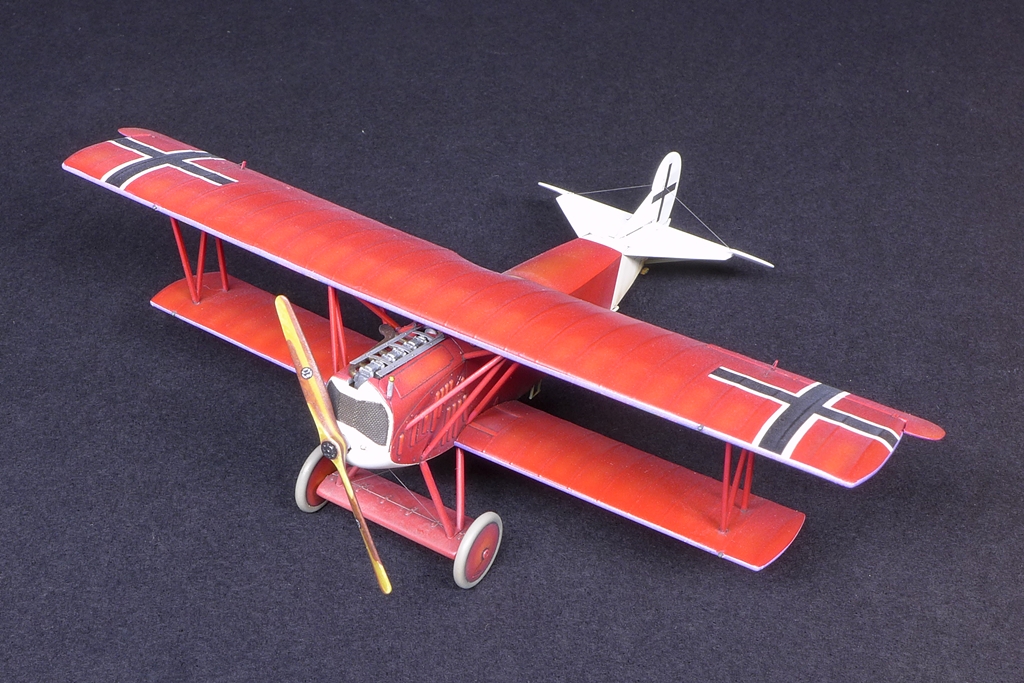
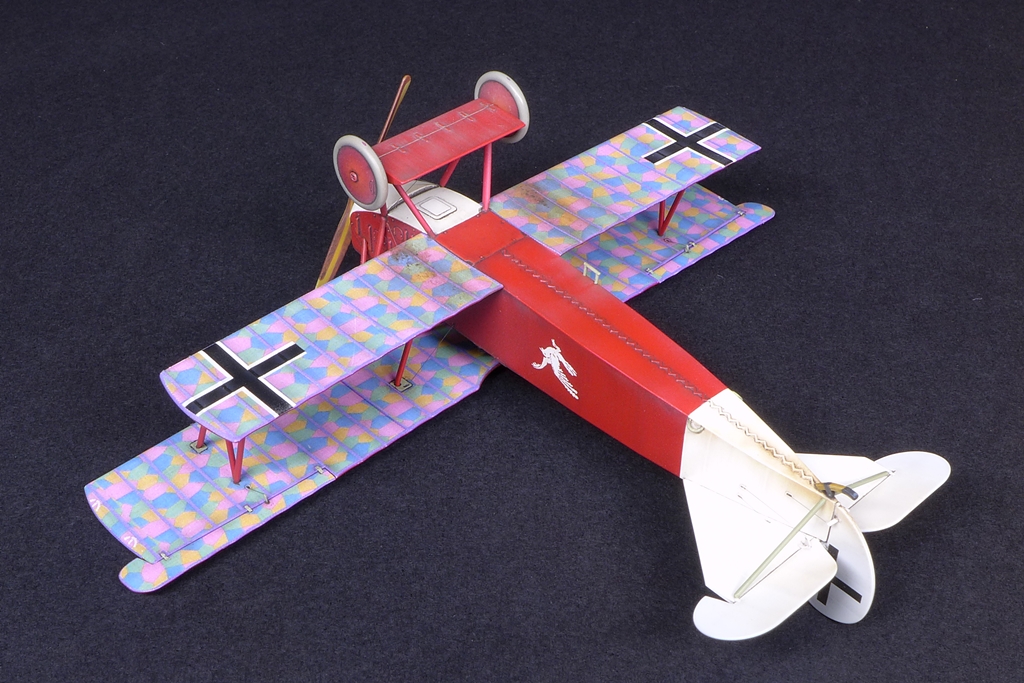
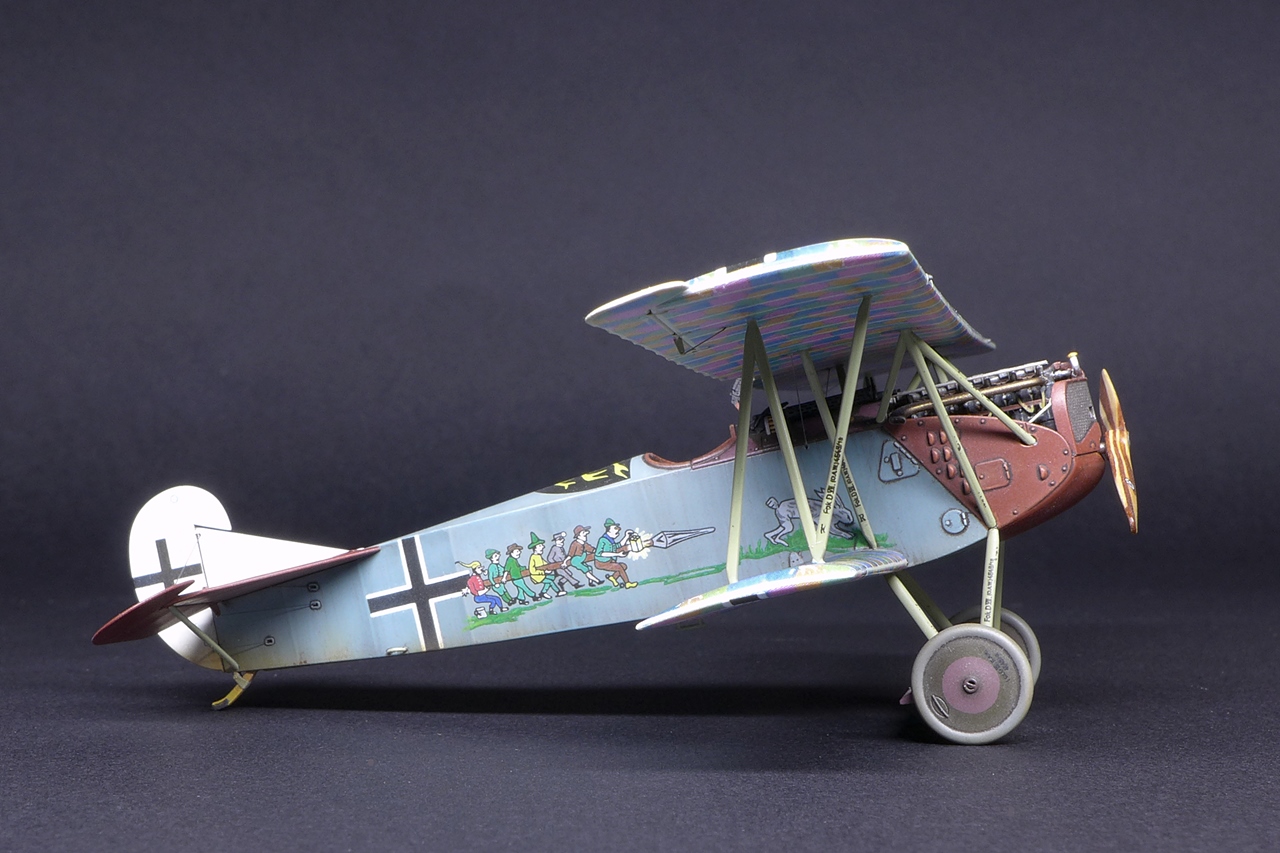
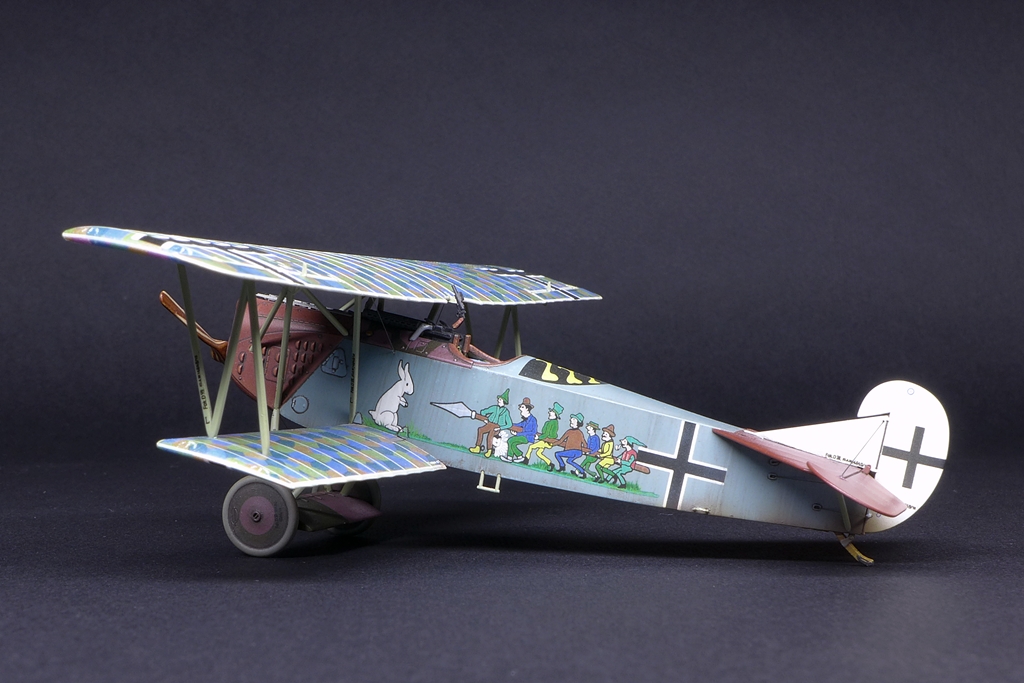
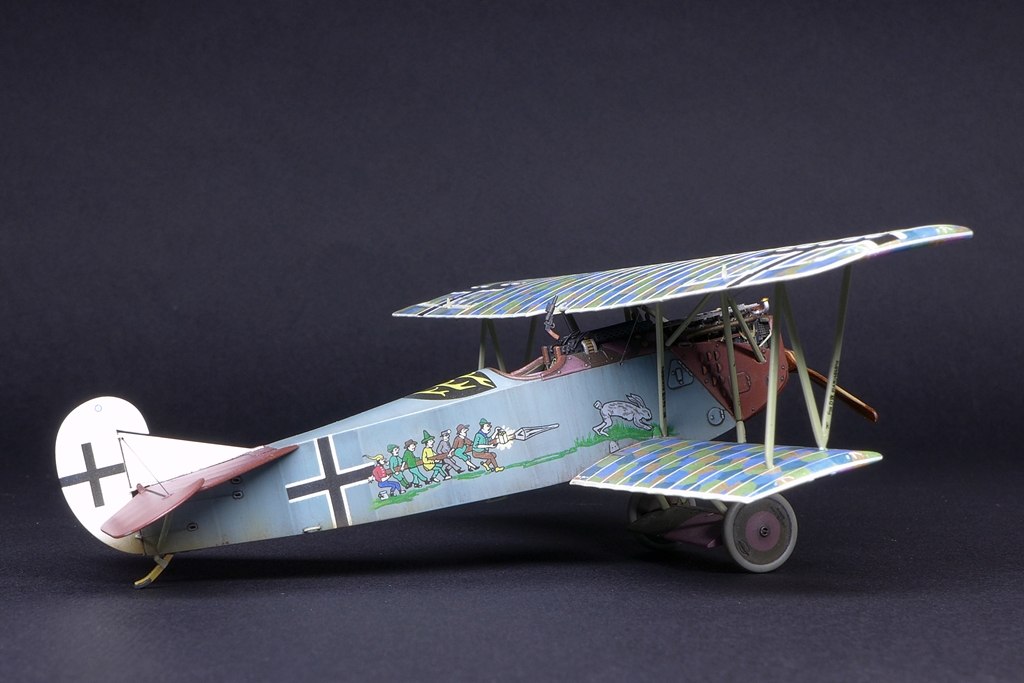
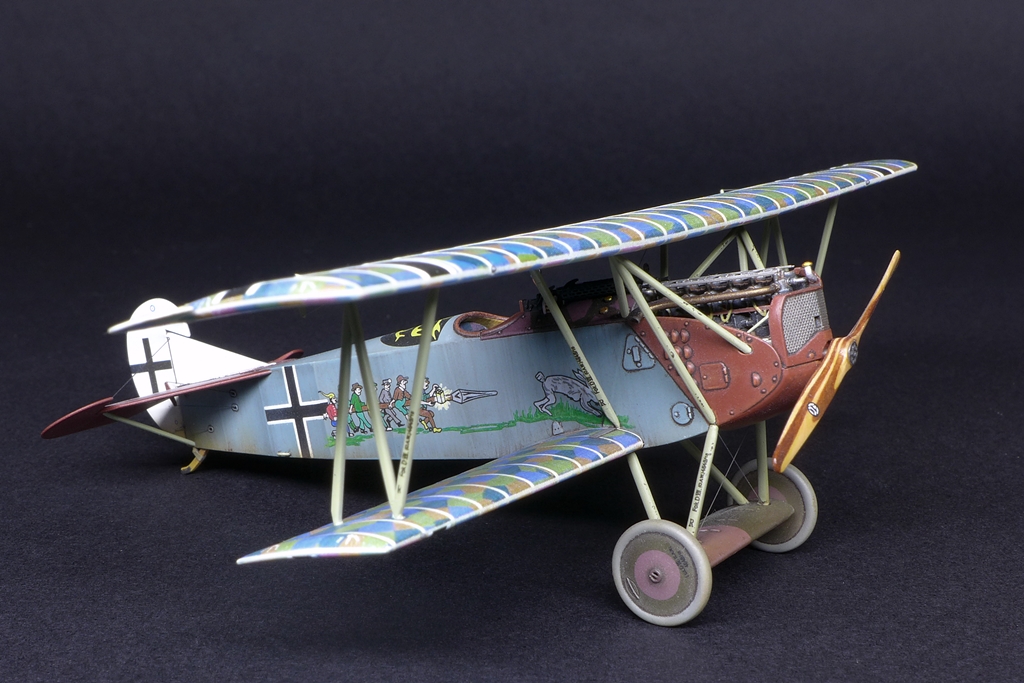
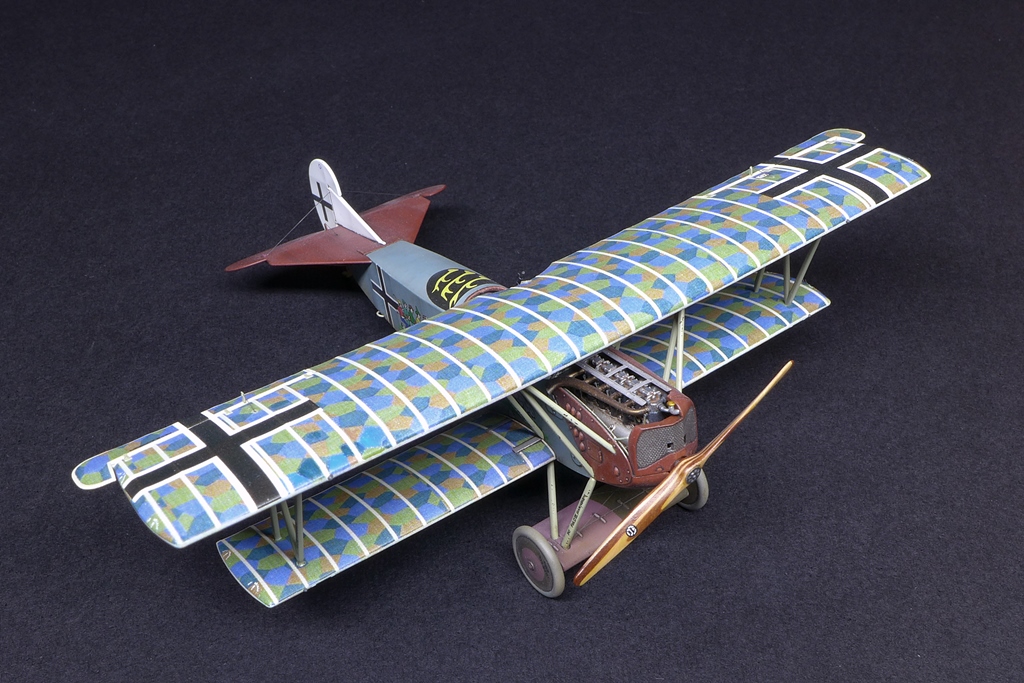
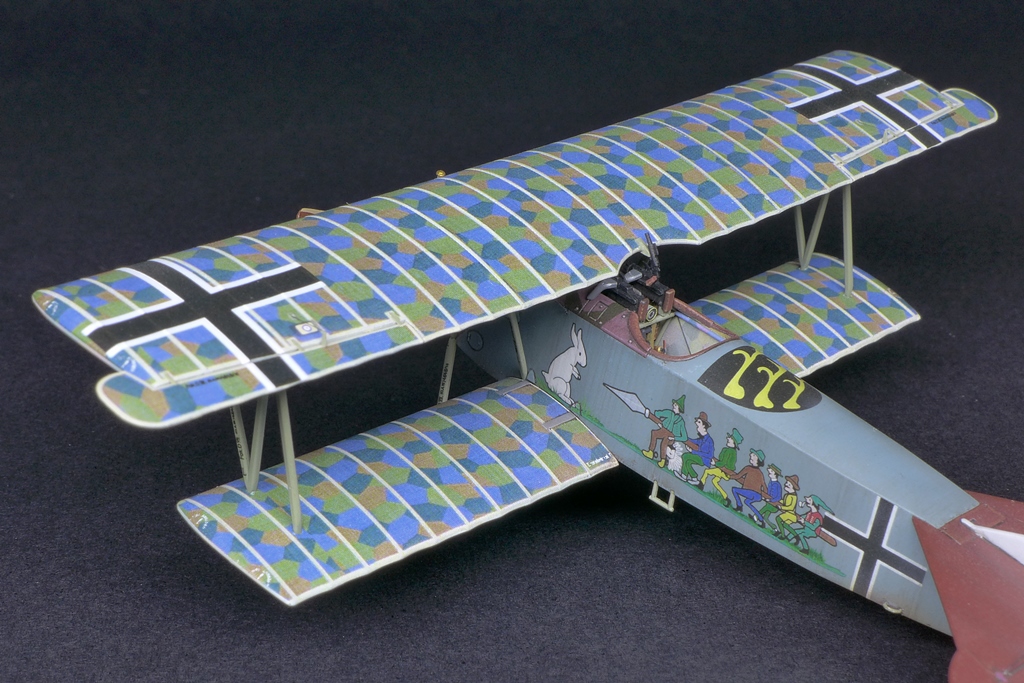
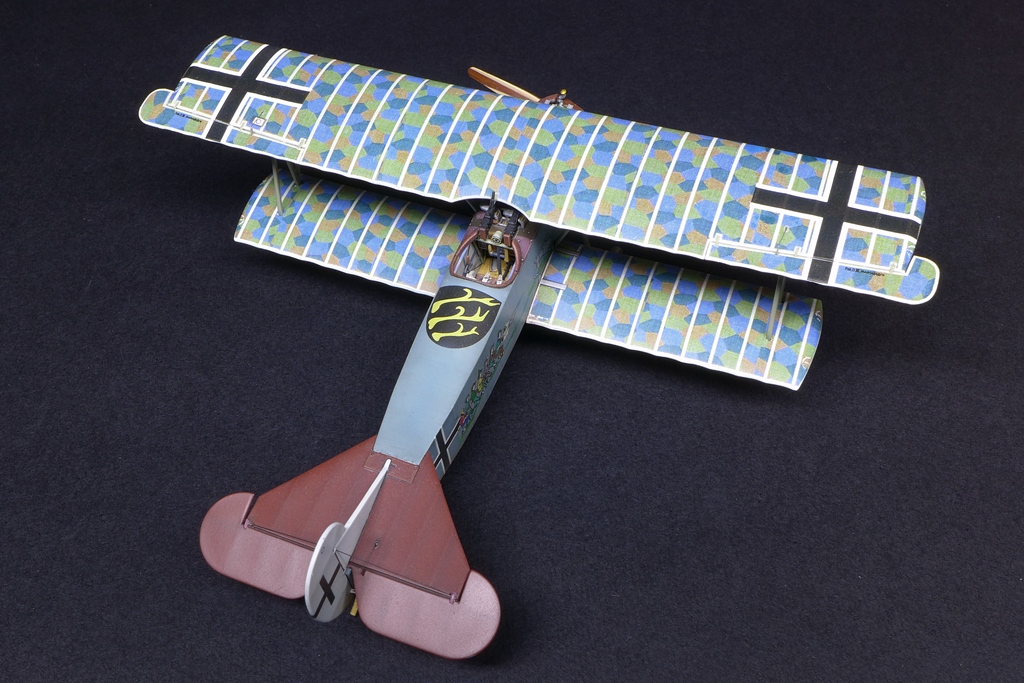
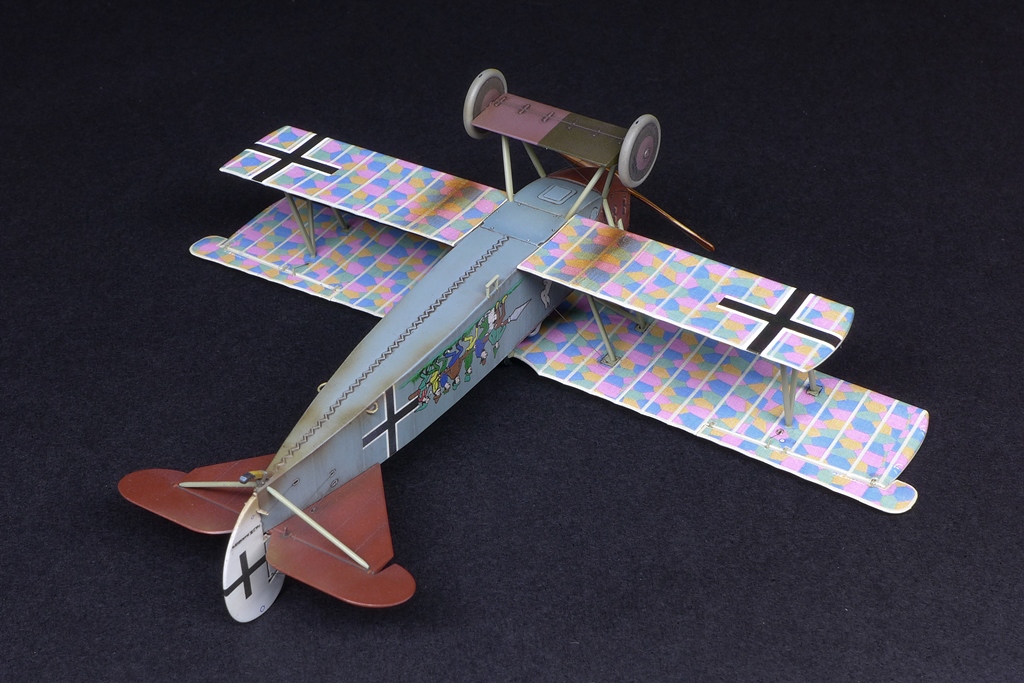
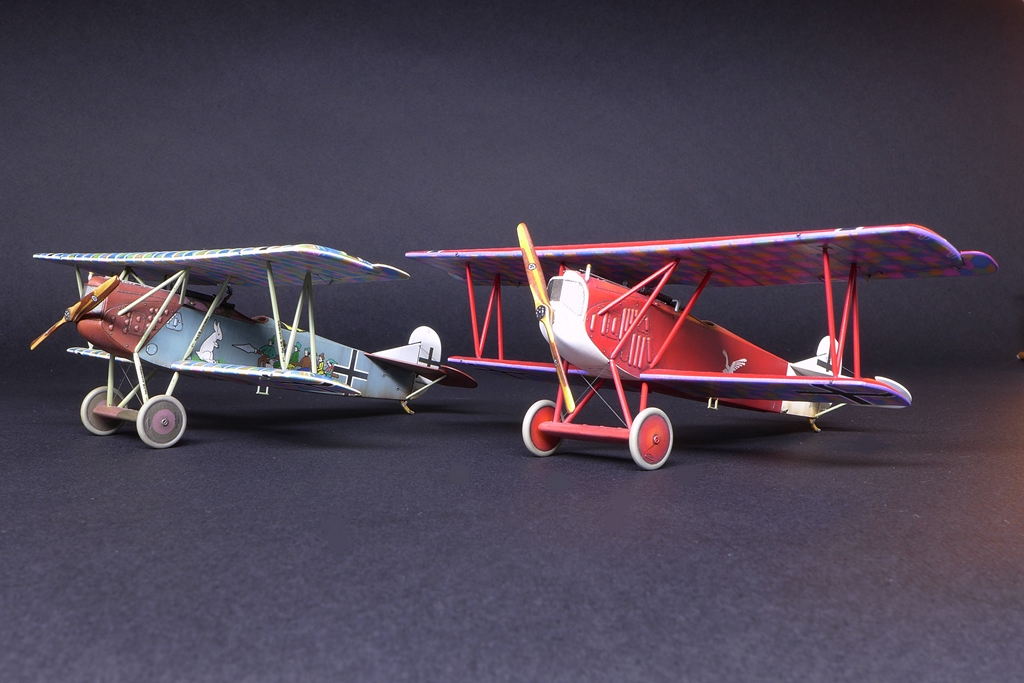
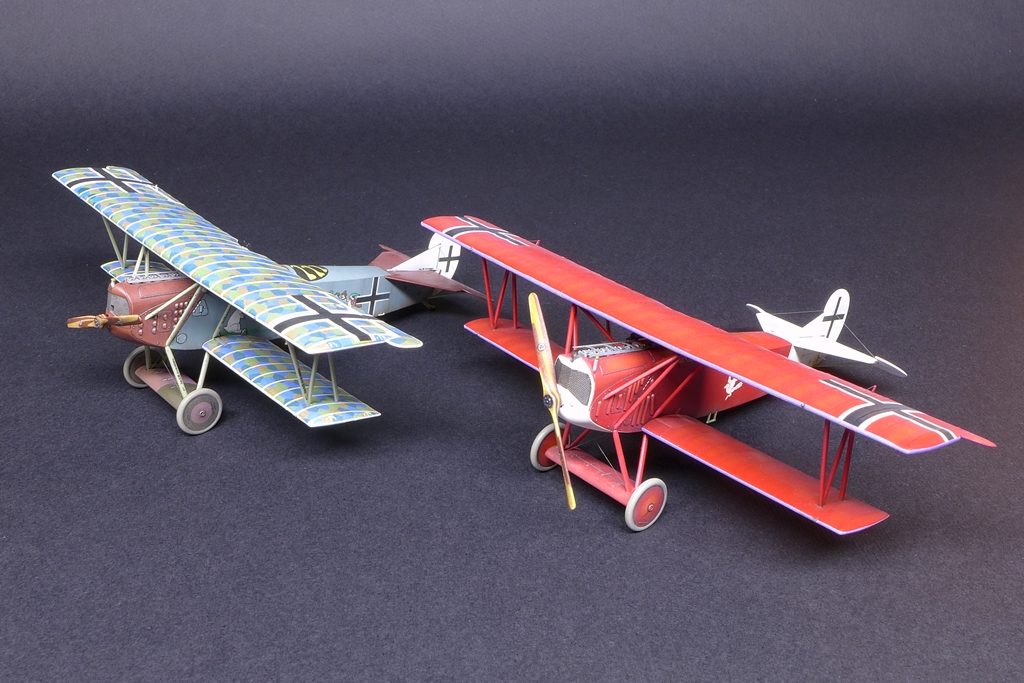
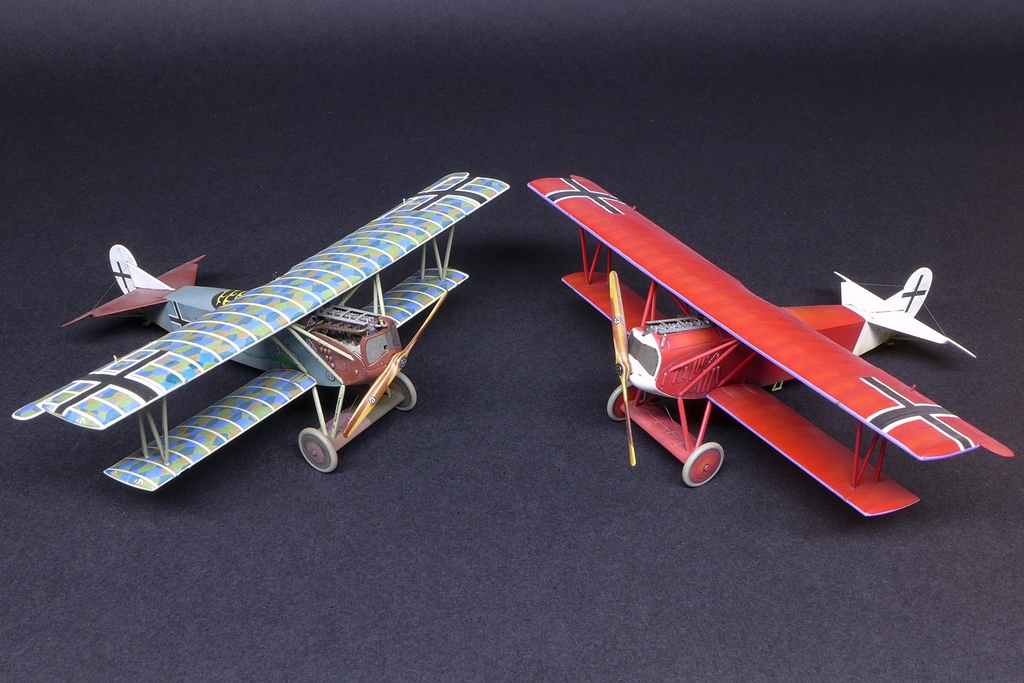
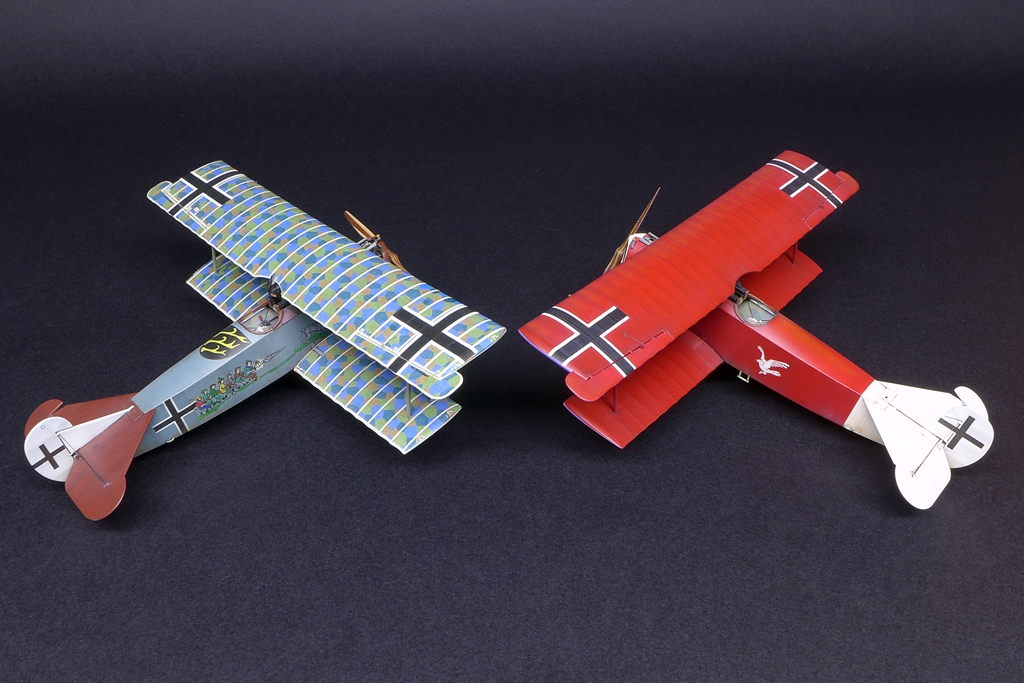
Over time, I accumulated a dangerous amount of this dangerous fighter plane in my stash, so in order to mitigate the danger of my stash reaching a dangerous capacity limit, I decided to reduce the stock by two boxes with O.A.W. versions. I built two pieces at the same time, but at a certain stage I split the construction and worked on only one model to avoid unnecessary mistakes and the urge to speed up the construction. The first one I finished was the red and white machine of August Raben, commander of Jasta 18. Here, however, I must mention the disappointment that the manufacturer caused me, which I did not avoid because I underestimated the study of the source material. The fact is that, with a probability bordering on certainty, Raben’s aircraft was not manufactured at the O.A.W. factory, but at Albatros, just like other aircraft from Jasta 18, which are better documented in photographs. Unfortunately, I only found this out when I had already completely finished the coloring, and I couldn’t bring myself to repaint the model with different markings. I will leave it as a reminder that even a manufacturer like Eduard can make a serious mistake. To their credit, this marking is no longer offered in the new OAW boxes, where it has been replaced by Bäder’s Sieben Schwaben. And it was precisely this Bäder machine that I built second. I had a clear motivation here. When choosing a machine to build, I was going through the instructions with the help of my younger daughter. She liked the Sieben Schwaben motif on the fuselage so much that I decided to go for this version and make both myself and my daughter happy. Here, too, the instructions were not without errors, and an attentive modeler will notice that the front radiator was of a different type and that the right side of the engine cowling was removed for cooling. The missing signal pistol installed in the upper wing cutout is just the icing on the cake. I corrected and added all of this to the model, so at least here I did my homework.
Eduard has succeeded in creating a model that is areal joy to build. I would not hesitate to say that this is the best model of a pre-war fighter plane. Of course, even on such a well-made model, there are areas which could be improved. The tubular construction in the interior could be redesigned, the plastic machine guns could be replaced with printed ones from Gaspatch Models, or the depicted ports could be sanded down in places where there were none. What I strongly recommend is replacing the lozenge decals from the kit with aftermarket lozenge sets from Aviattic. Despite the higher price, it is an investment that is definitely worth it. This is especially necessary for older editions of the Fokker D.VII, where the lozenge colors are not at all accurate. In newer editions, it is much better, although the philosophy of placing different colored ports one by one remains. I understand why Eduard did this, but it is very user-unfriendly, and I believe it will discourage many people from building more than one kit. This is a loss both for modelers and manufacturers. Printing the lozenge decal together with the ports would not take up much more space than separate strips of ports. Maybe someone at Eduard will think about it and make a change.
So, to sum it up. Despite minor flaws, this is an excellent kit. It is the ideal choice if you want to start a collection of WWI aircraft. The colors of the markings are sure to brighten up your display case, and I must not forget to mention the interesting stories of some of the pilots who sat in the cockpits of the D.VII.
I currently have two more Fokker kits on my desk, and I’m sure they won’t be the last, as more will gradually be added.