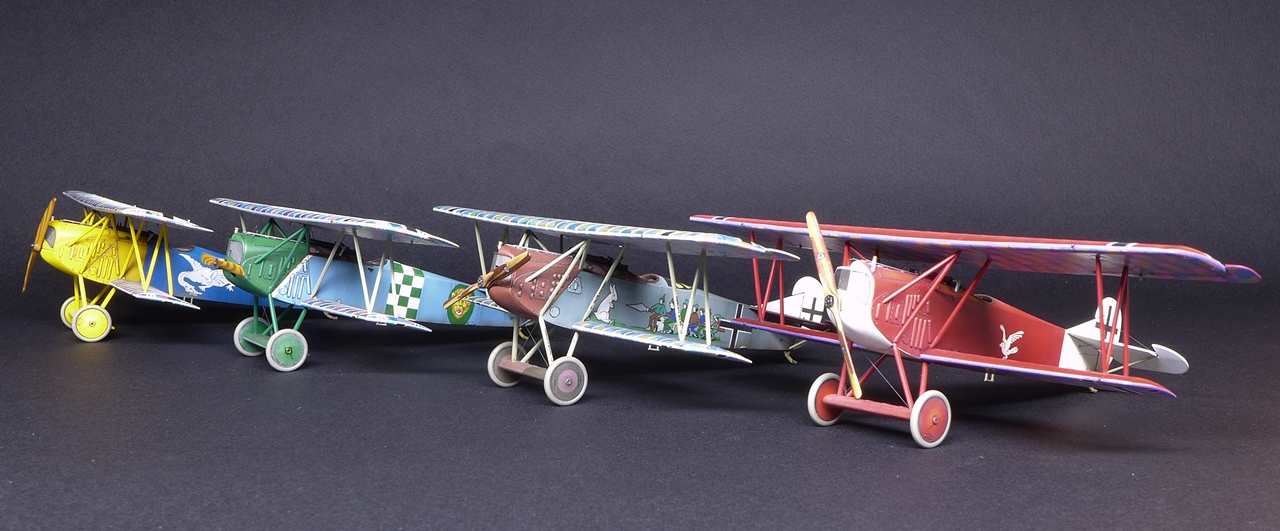
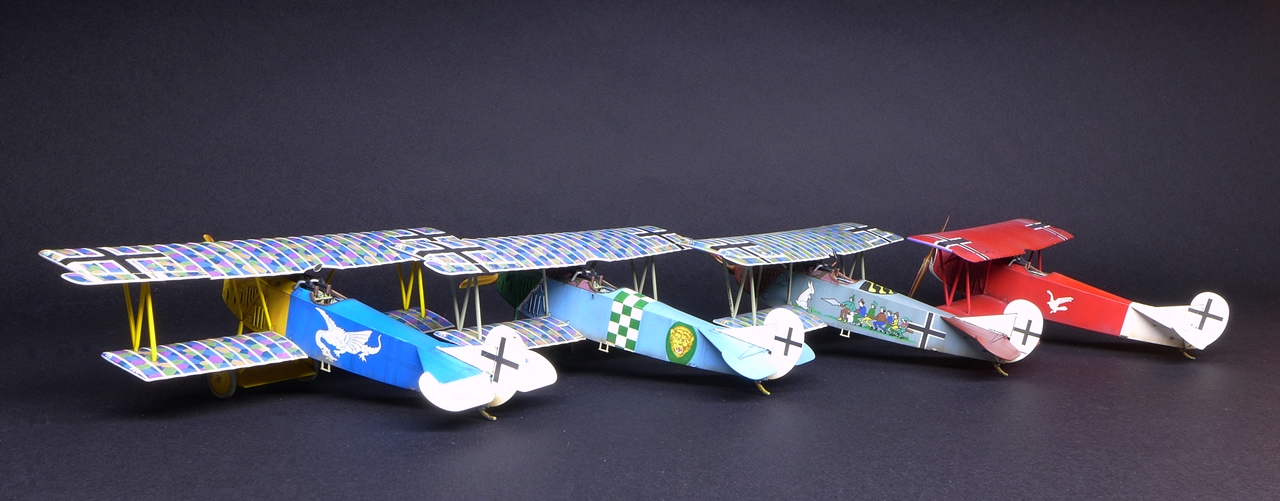
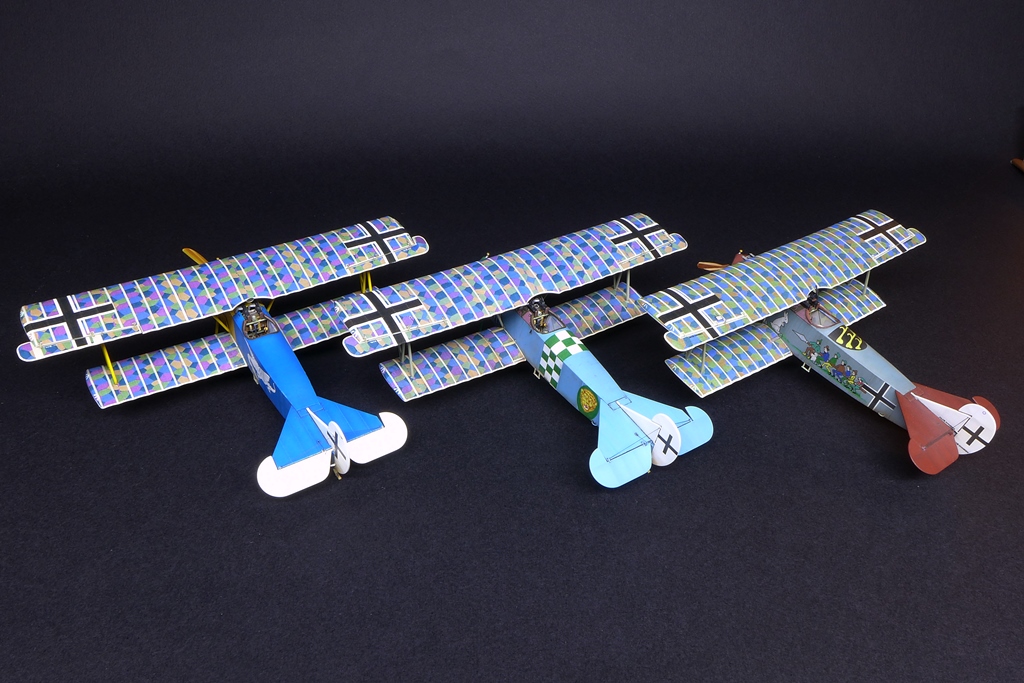
Fokker D.VII OAW 1/72 Eduard “Part II – Jasta13 & Jasta19”
In my last post featuring two Fokker D.VIIs, I promised I would return to the subject. Since I actually wrote this article some time ago, things have coincidentally worked out rather well, and I have now managed to finish another two Fokkers. So today I am adding the promised continuation, this time featuring Fokkers from Jasta 13 and Jasta 19.
Recently, a bit of a habit has appeared here on our blog 😊. I would call it the building of themed collections. A great example is Dušan’s collection of Avias, and David’s ambition to build a collection representing every operator of the L-39. So I simply had to join in with my own plan to build a large collection of Fokker D.VIIs. It is a type that has completely captivated me, and my stash has gradually filled up with kits of this beautiful aircraft, while my bookshelf is slowly filling up with books and publications about it.
So here we have two more models from the Fokker D.VII OAW kit.
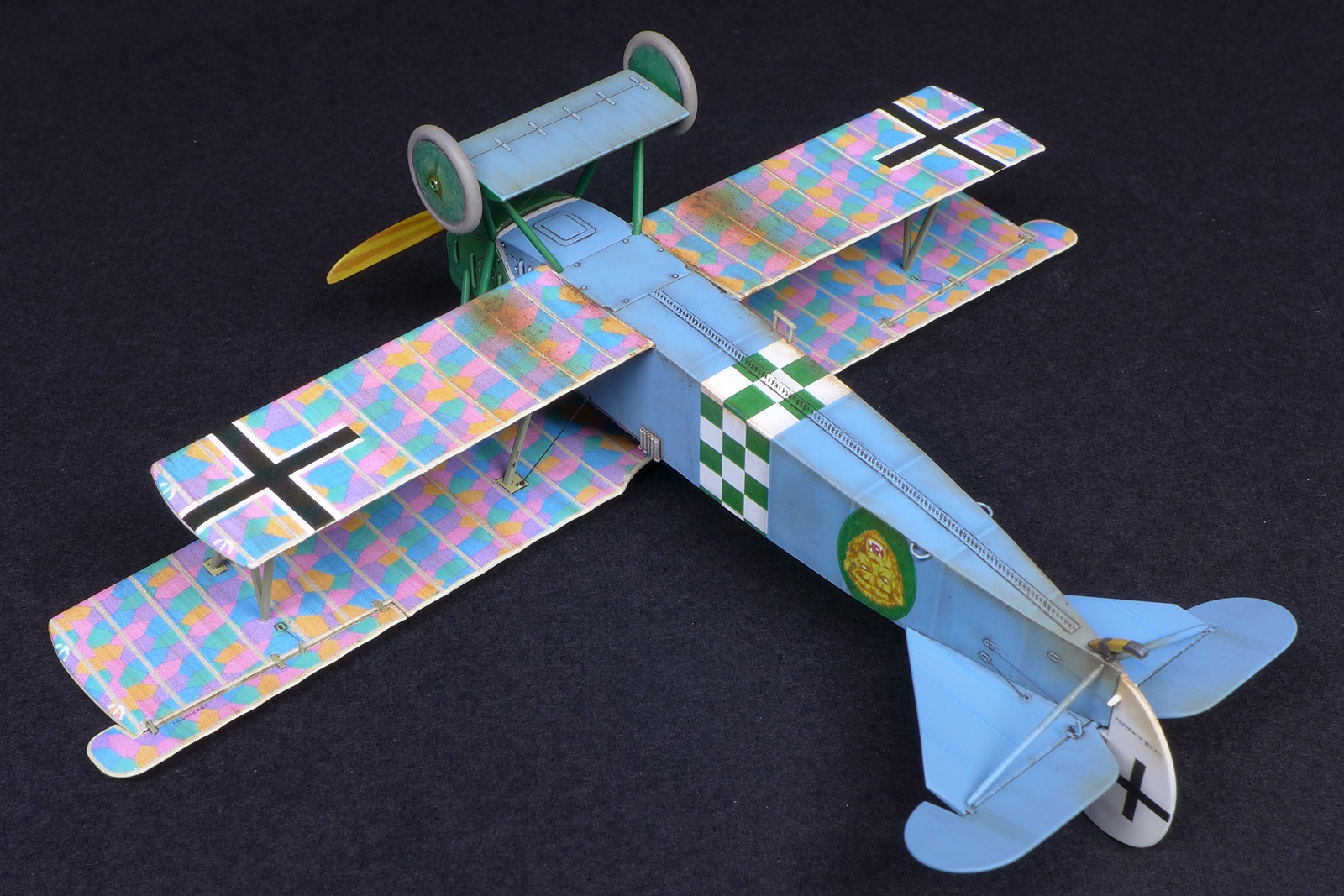
The first one represents Franz Büchner’s aircraft from Jasta 13.
Franz Büchner (1898–1920) was one of the most successful German fighter pilots of the First World War. With 40 confirmed victories, he was also the most successful Saxon fighter pilot. He was born on 2 January 1898 in Leipzig and joined the army as a volunteer at the age of just sixteen. He served with the 7th Saxon Infantry Regiment No. 106 and fought on both the Eastern and Western Fronts. In April 1916, he was seriously wounded by shrapnel at Verdun and subsequently transferred to the air service, initially serving as an observer with the artillery cooperation unit FFA 270.
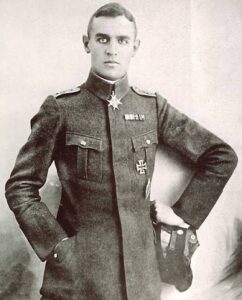
In March 1917, he became a fighter pilot and was assigned to Jasta 9, where he scored his first aerial victory in August. In September of the same year, he transferred to Jasta 13, with which he would spend virtually the rest of his fighter career. In June 1918, he became the unit’s commanding officer, and it was during this period that he really began to demonstrate his full potential. After the arrival of the Fokker D.VII, he achieved an extraordinary series of victories – in September 1918 alone, he was credited with 17 kills.
In total, he achieved 40 confirmed victories during the war, the vast majority of them flying the Fokker D.VII. For his combat achievements, he received, among other decorations, the Saxon Military Order of St. Henry, and on 25 October 1918 he was awarded Germany’s highest military decoration, the Pour le Mérite. He survived the war, but his life came to a premature end on 18 March 1920, when he was hit by ground fire during a combat flight over Leipzig in the course of the unrest associated with the Kapp Putsch.
For more information about the life and military career of this truly fascinating pilot, I recommend an article by Hannes Täger published in Over the Front, Vol. 33, No. 2, Summer 2018, or alternatively, book No. 23 in the Blue Max Man series, published by Aeronaut.
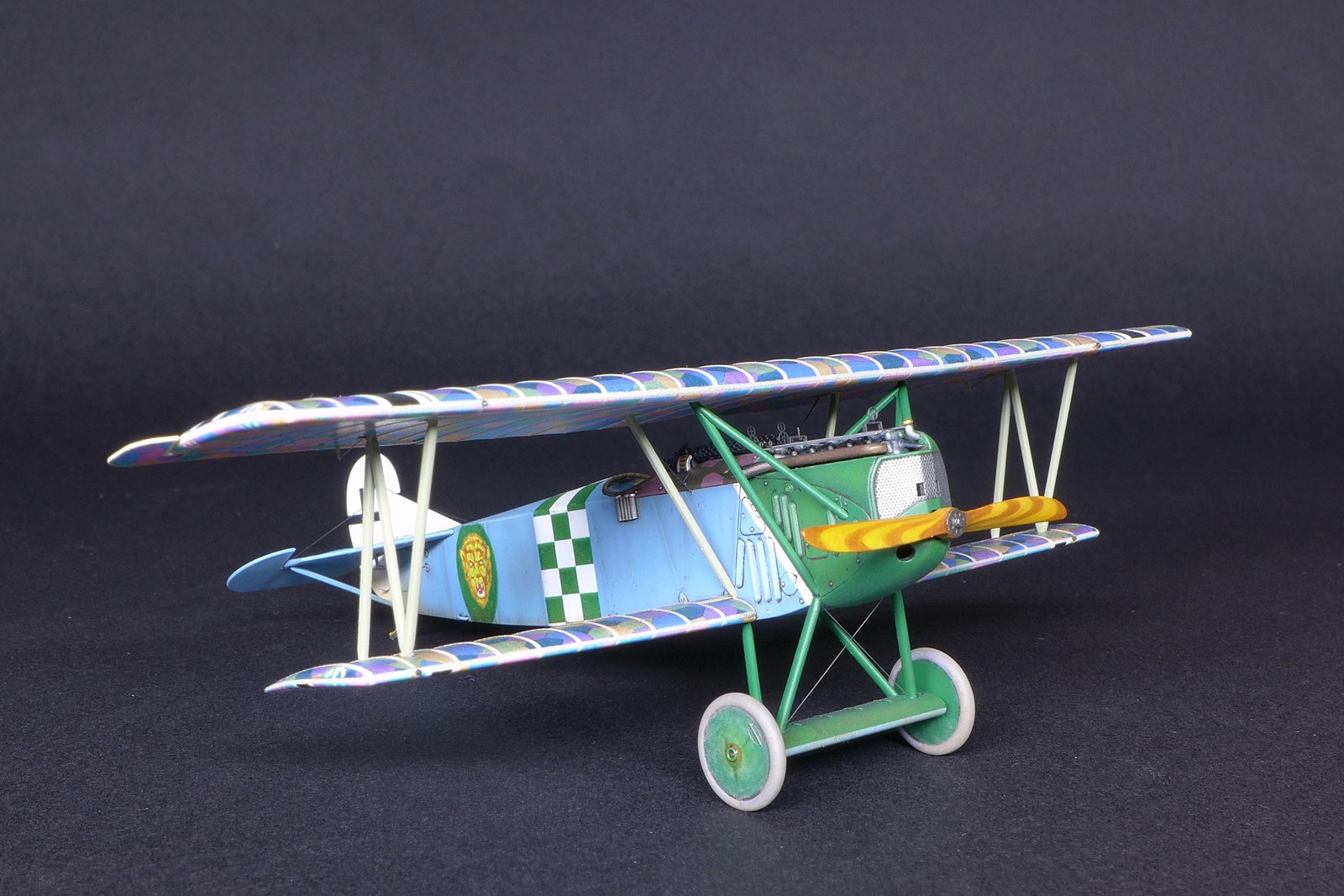
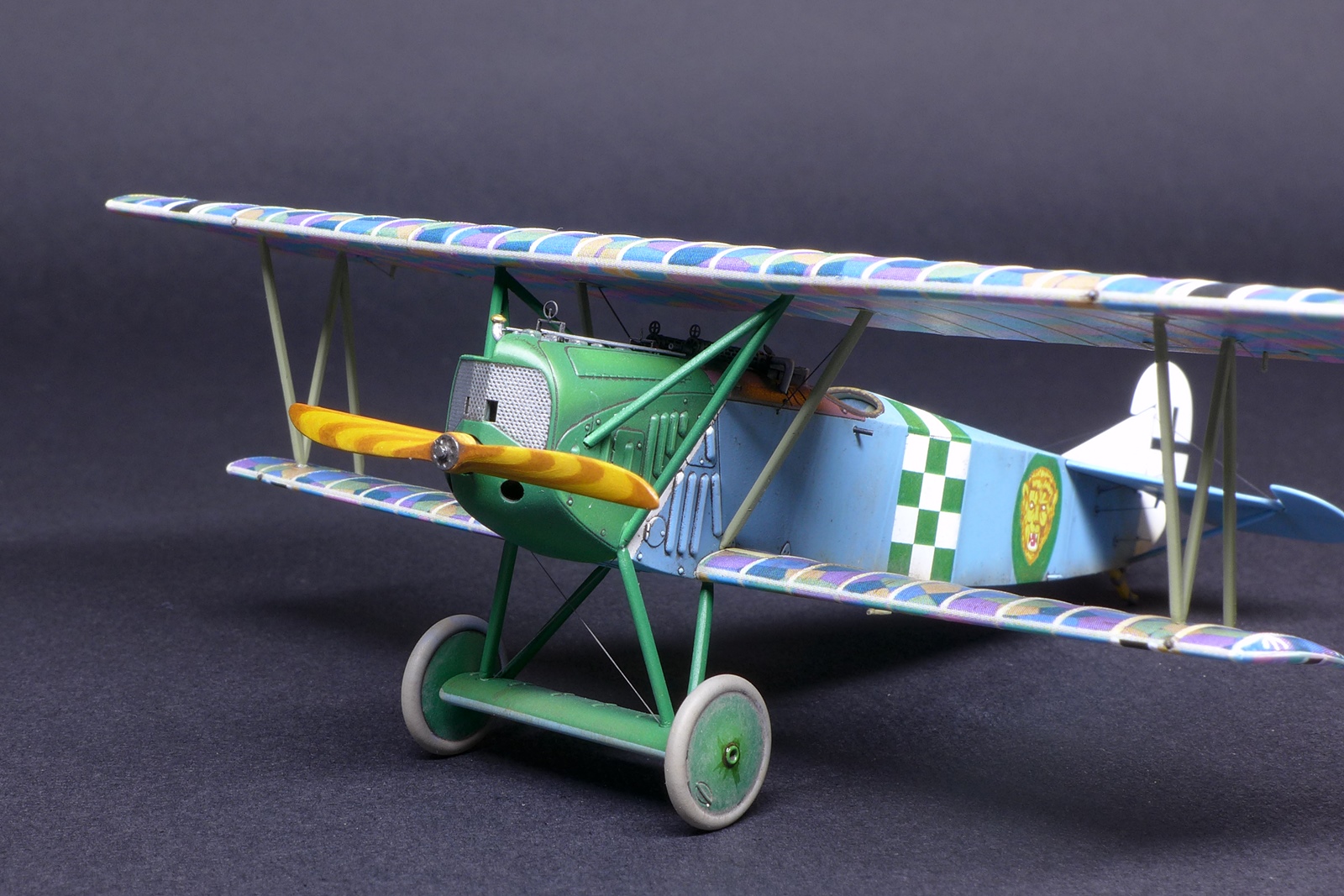
The model represents the appearance of Büchner’s final aircraft. He flew several D.VIIs during his career, but this particular machine was the one on which he scored his final victories and completed his overall score. Its appearance is known from several photographs taken during the celebrations of his 40th victory, as well as from photographs taken after the war, when the aircraft was captured by the Allies.
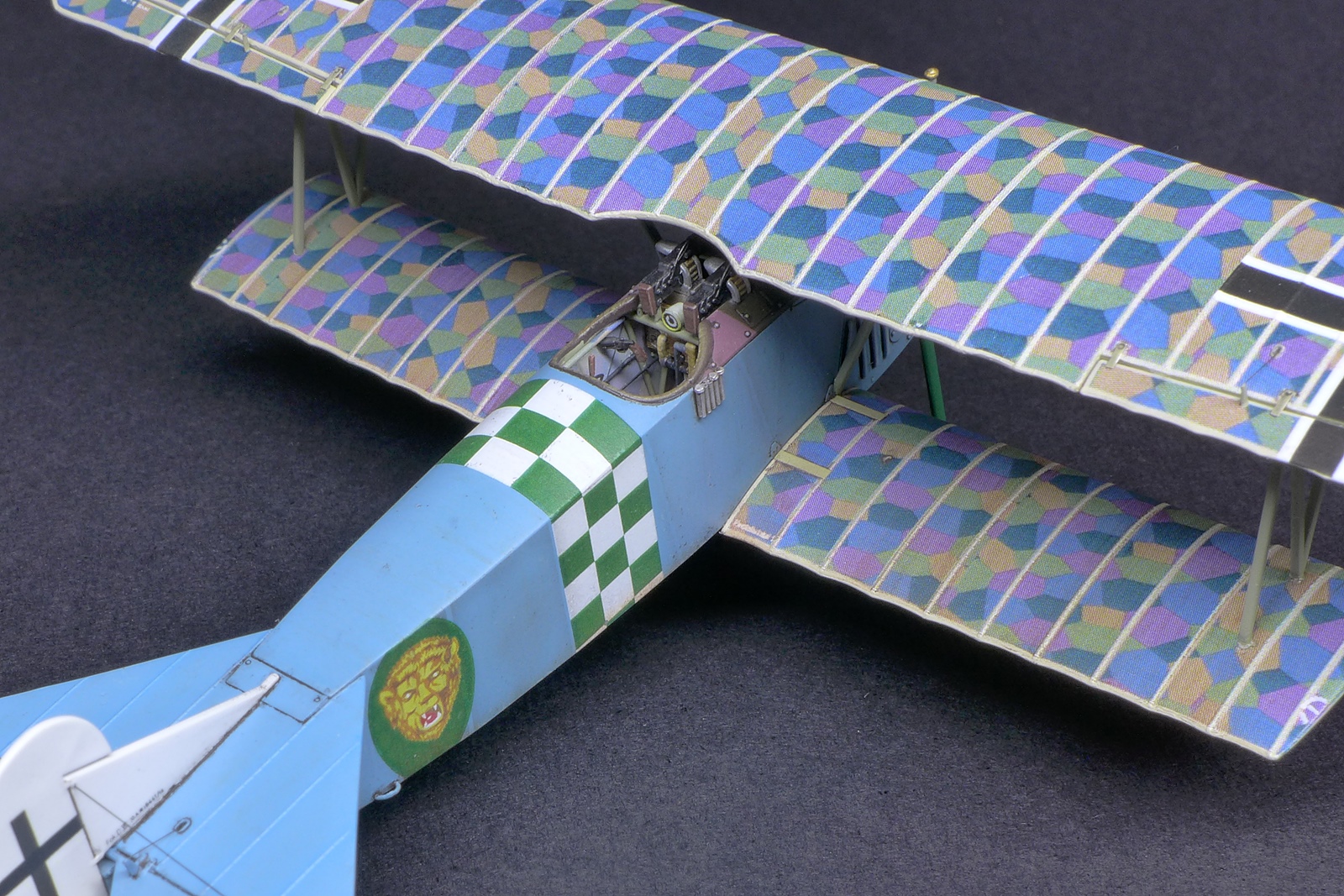
Using these photographs, I added several details, including the signal pistol and rockets, the ventilation opening on the lower fuselage beneath the engine, and the gunsight, which can be identified from one of the photographs. On both models, I used HGW’s new stitching detail for the underside of the fuselage.
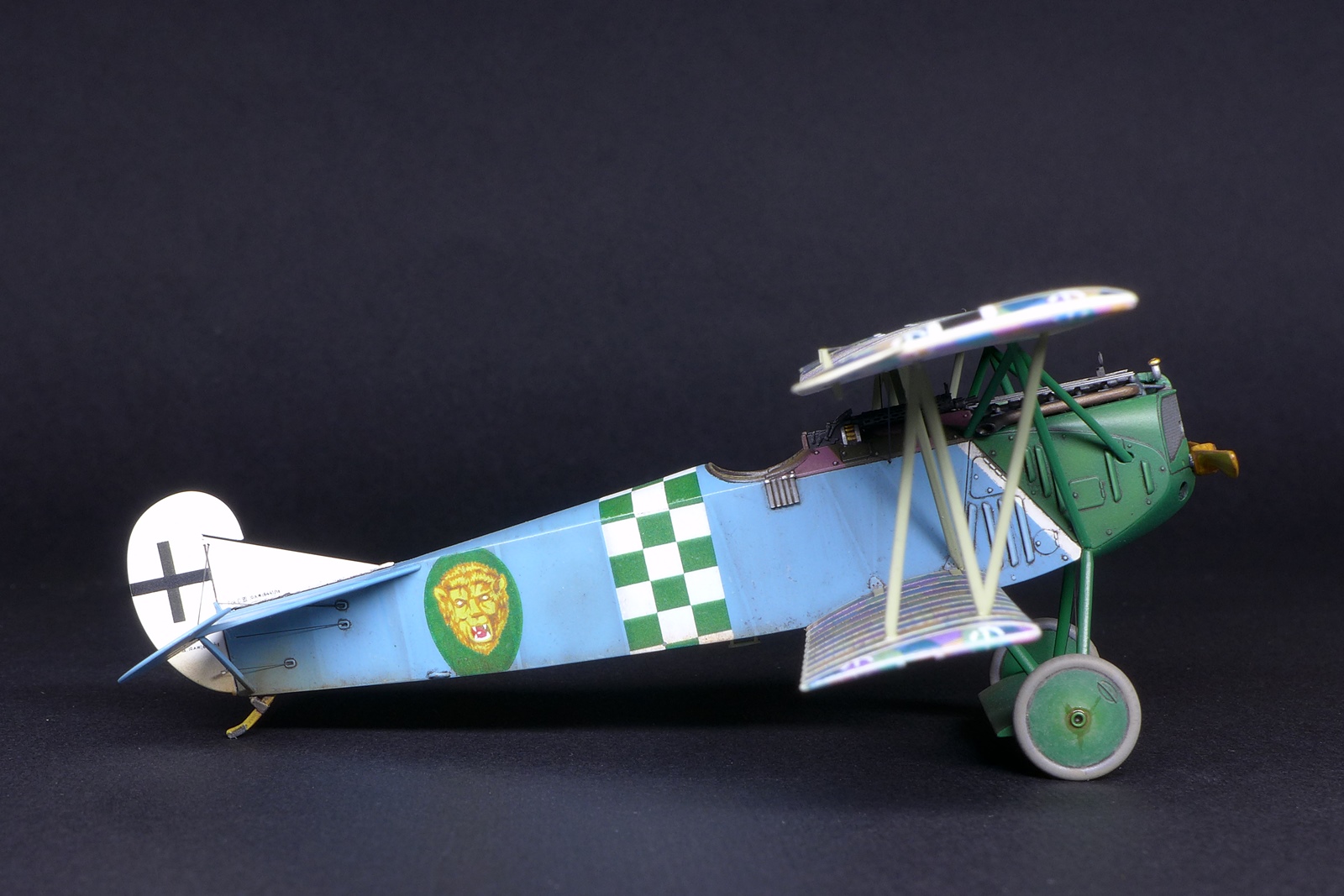
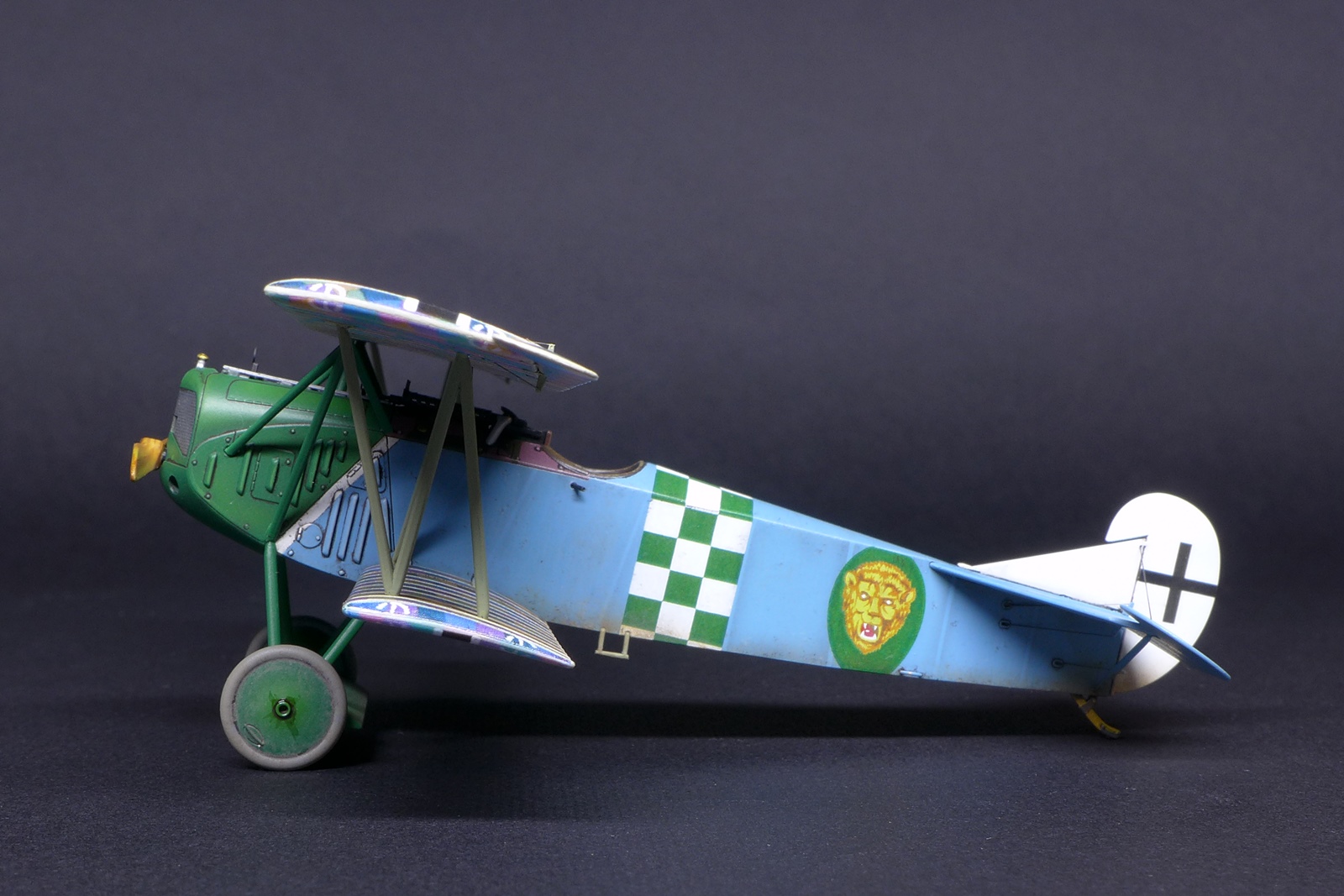
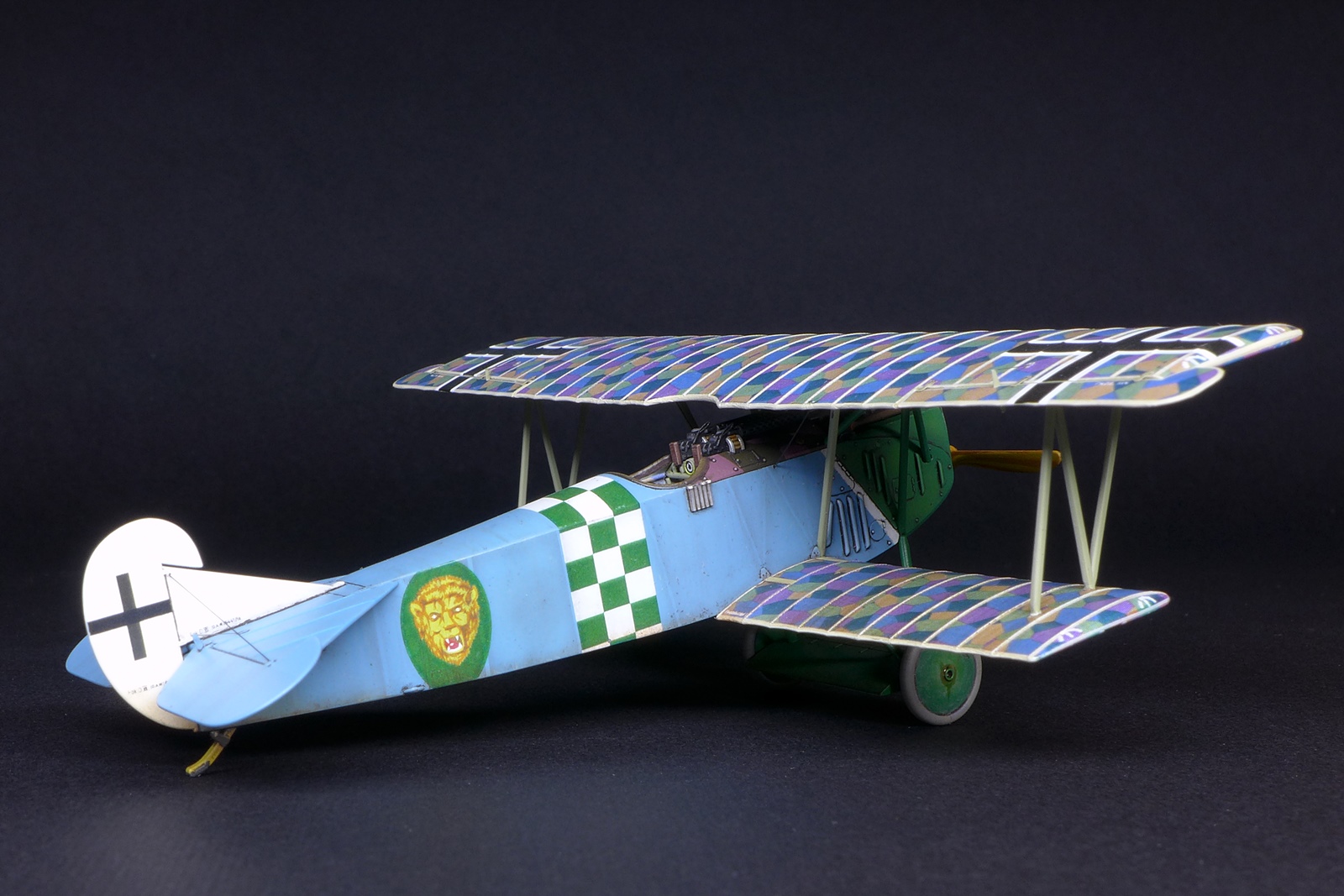

Wilhelm Leusch (1892–1921) was one of the German fighter aces of the First World War and achieved five confirmed aerial victories during his career. He was born on 15 October 1892 in Neuss, North Rhine-Westphalia, and joined the German air service in October 1914.
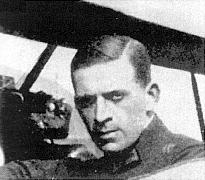
Initially, he flew two-seat reconnaissance aircraft, and in 1916 he was transferred to the fighter unit Jasta 13. In April 1917, he moved to Jasta 19, with which he spent most of the remainder of his combat career. He scored his first victory on 12 May 1917, when he shot down a French SPAD, followed by his second victory in June 1918. He achieved his remaining three victories during the final weeks of the war – in October he shot down an American observation balloon and French SPAD S.XIII and Breguet 14 aircraft.
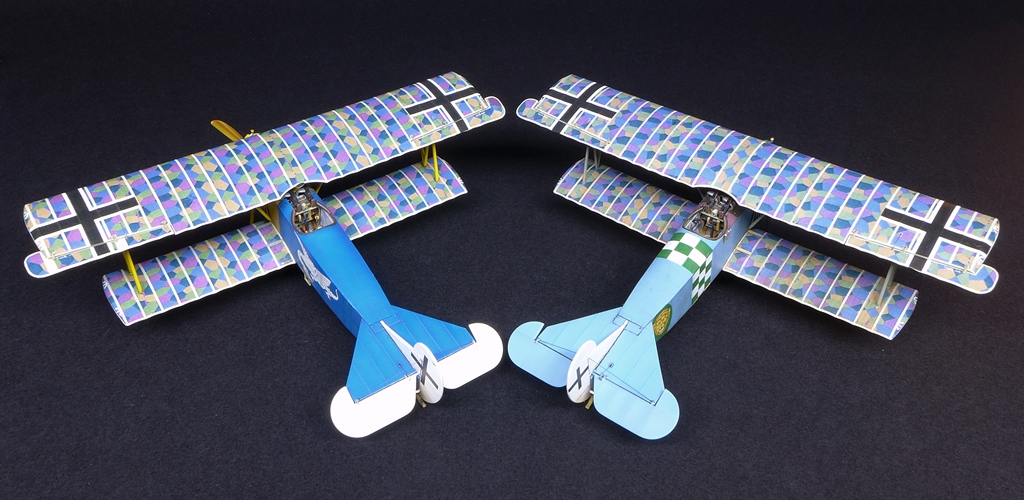
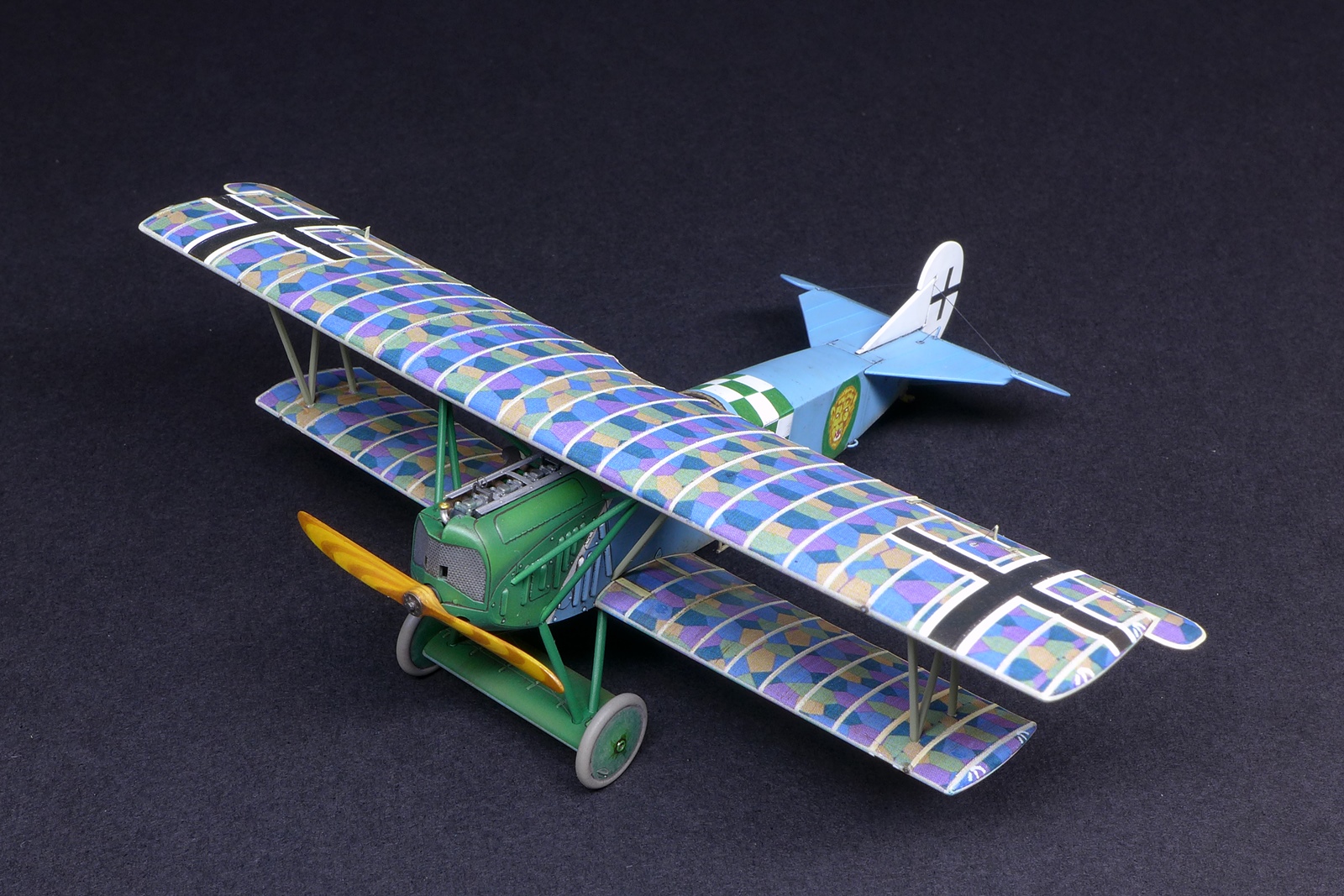
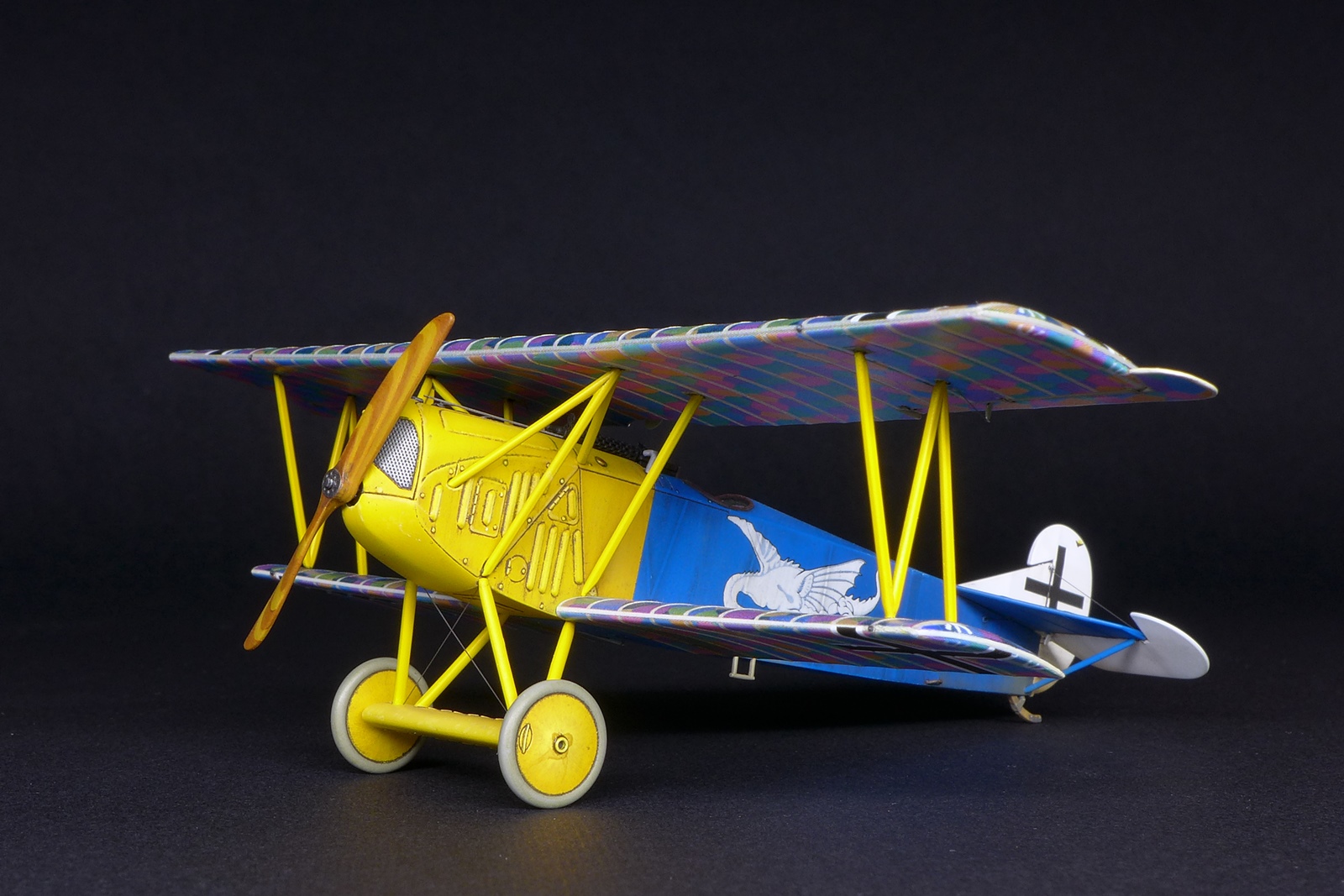
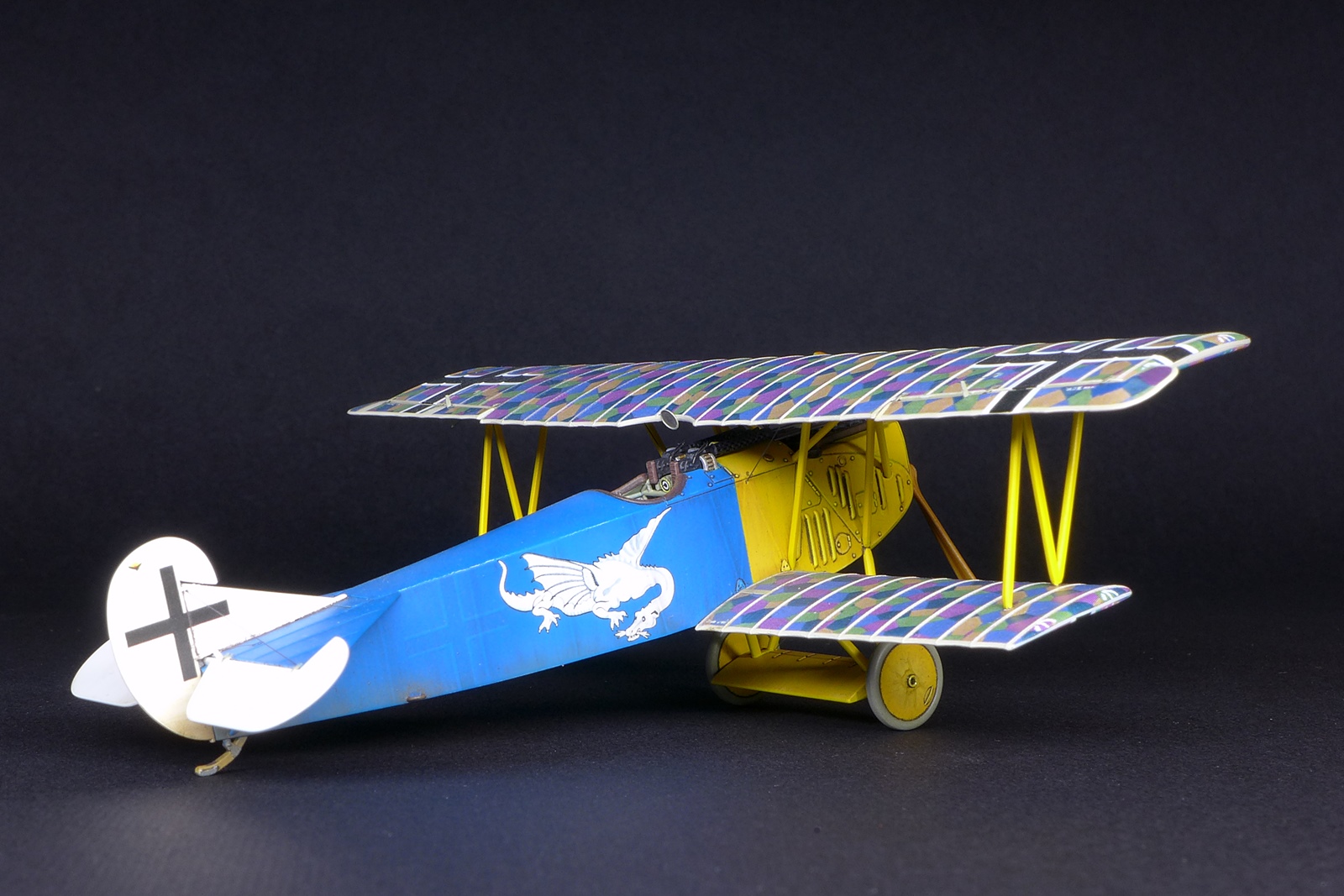
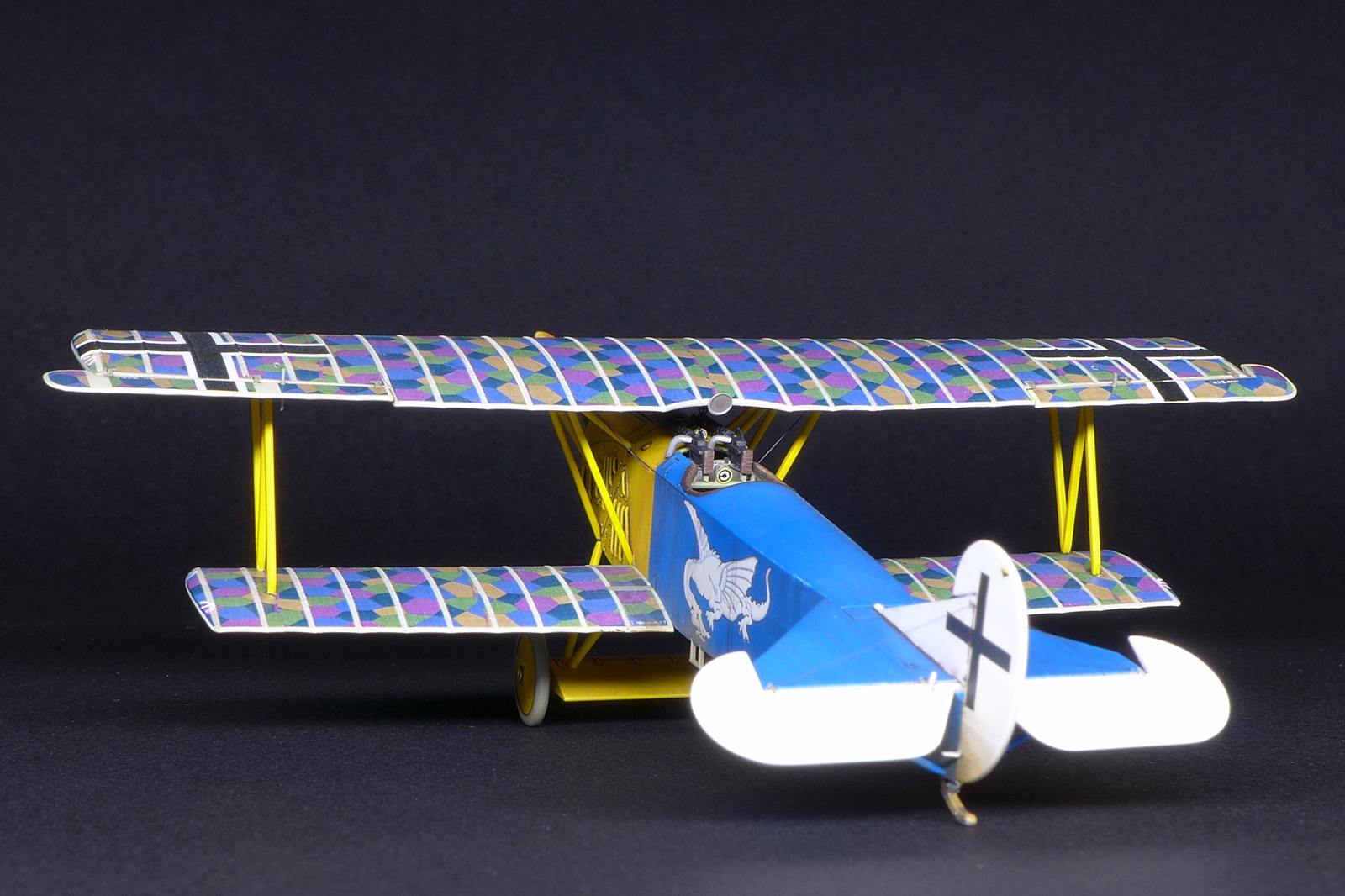
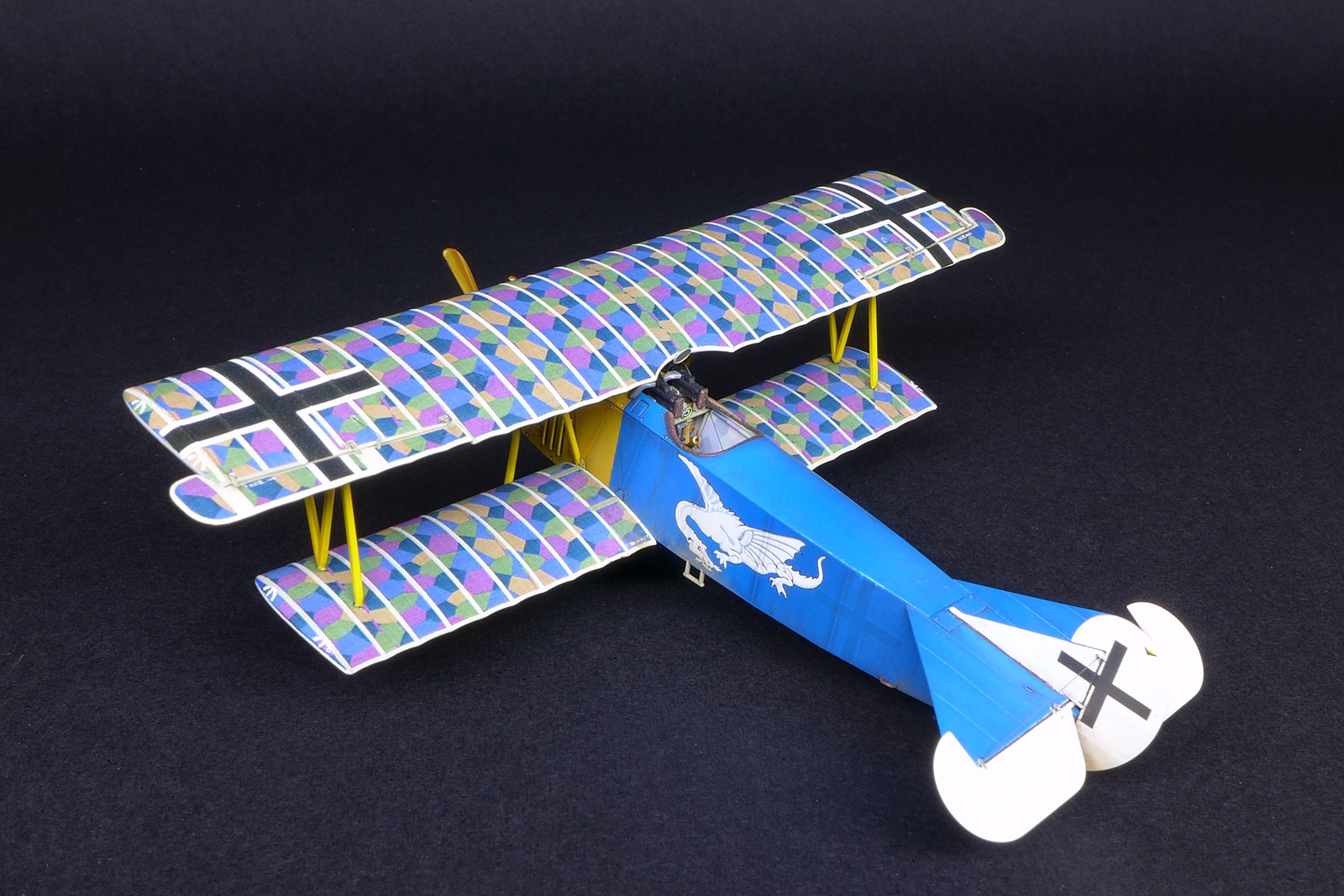
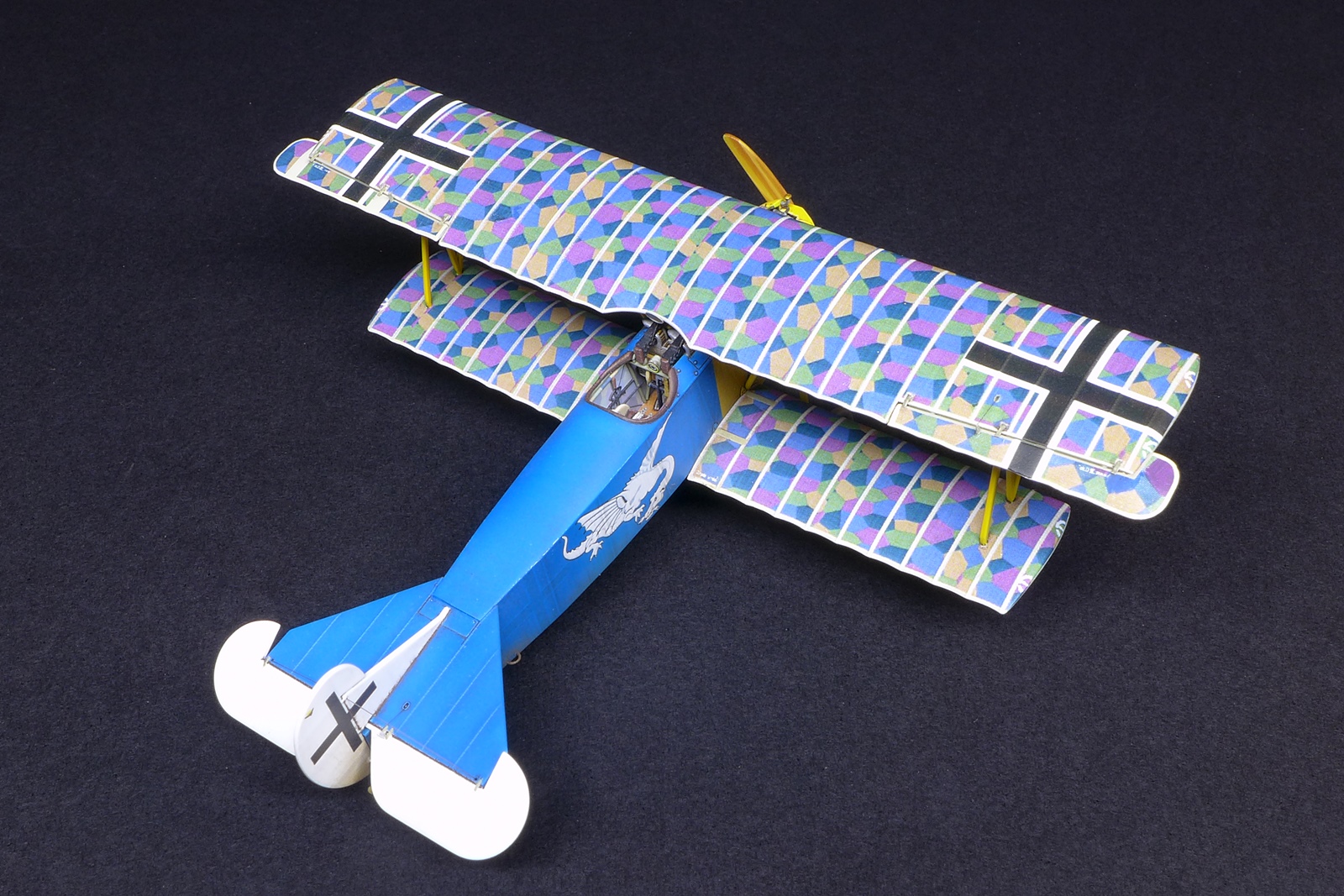
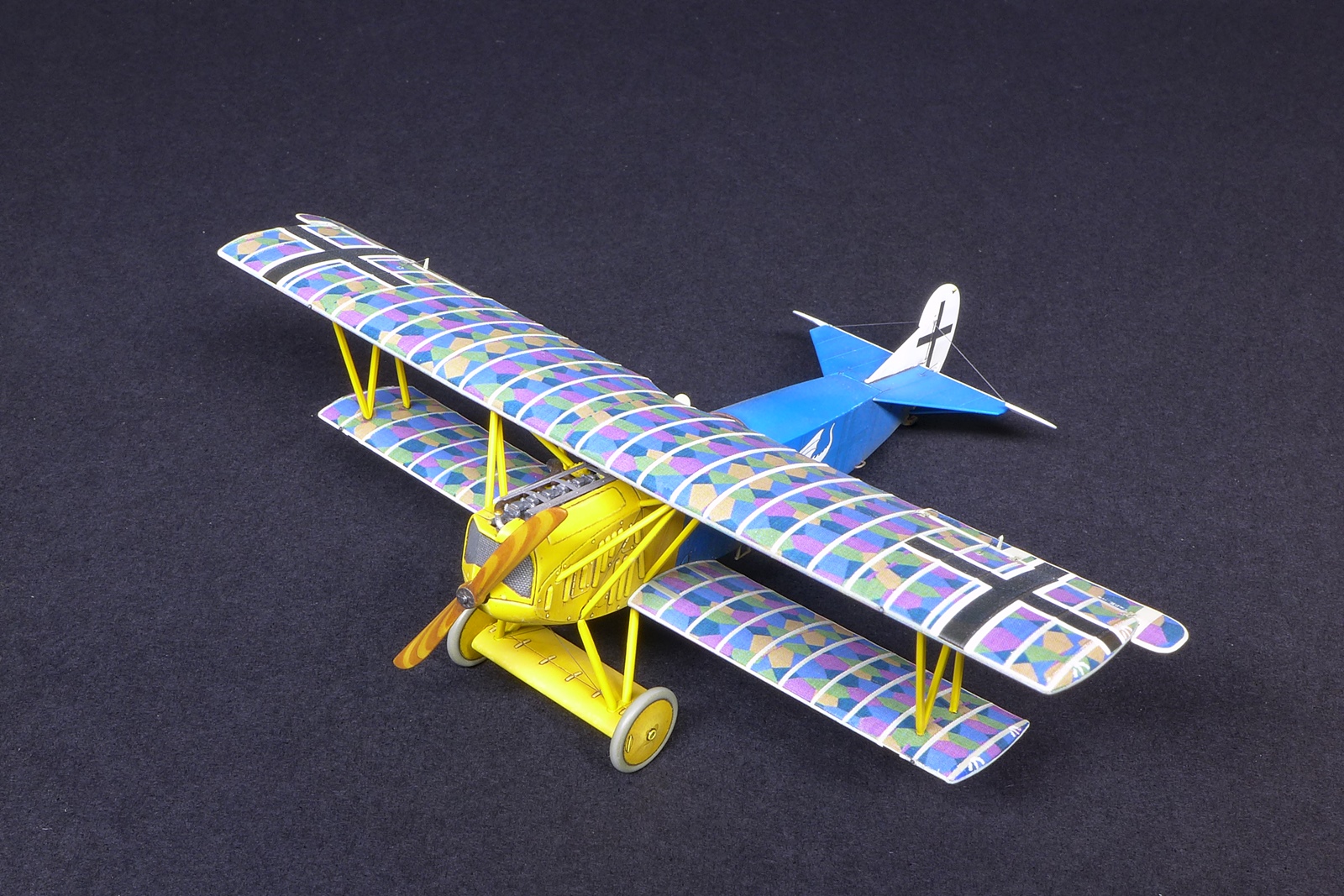
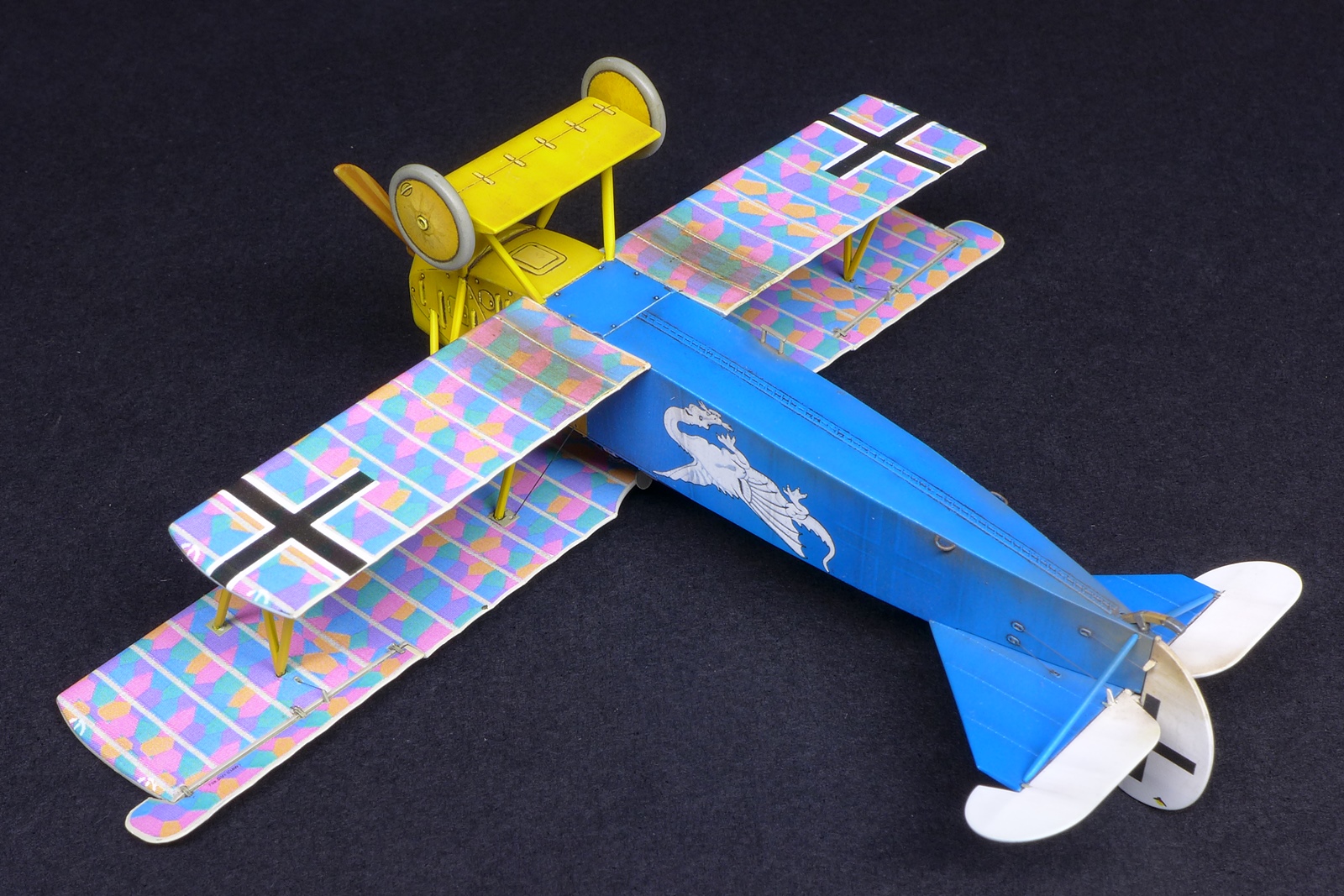
Following the severe wounding of Jasta 19’s commanding officer, Olivier von Beaulieu-Marconnay, Leusch took command of the unit on 18 October 1918 and remained in that position until the Armistice. It was during this period that he flew a Fokker D.VII (OAW) with its distinctive dark blue fuselage, yellow nose and personal dragon emblem on the sides of the fuselage.
Although he survived the war, his life ended tragically on 14 August 1921, when he was killed in a glider accident.
Leusch’s Fokker features the typical Jasta 19 colour scheme – a blue fuselage with a yellow nose and five-colour lozenge fabric on the wings. Its most distinctive feature, however, was the white dragon on the side of the fuselage, which served as Leusch’s personal emblem.
Interestingly, the design of this dragon was based on an advertisement by the German company Unterberg & Helmle, a manufacturer of ignition equipment for internal combustion engines. Several versions of the aircraft are documented, differing in details such as the colour of the elevator control surfaces, the presence of a rear-view mirror, and the probable installation of an optical gunsight.
The question of whether the dragon emblem was also present on the right-hand side of the fuselage, and if so, which way it was facing, remains uncertain. This will probably remain an open question at least until previously unknown photographs of the aircraft come to light. It is therefore up to each modeller to recreate what they believe to be the most likely appearance of the aircraft. And this is certainly not an issue limited to Leusch’s machine, nor is it a problem exclusive to World War I aircraft. Unfortunately, the lack of photographic and other reference material all too often leaves us with plenty of room for bold theories and assumptions. A typical example is Udet’s much-discussed Fokker “Du doch nicht”.
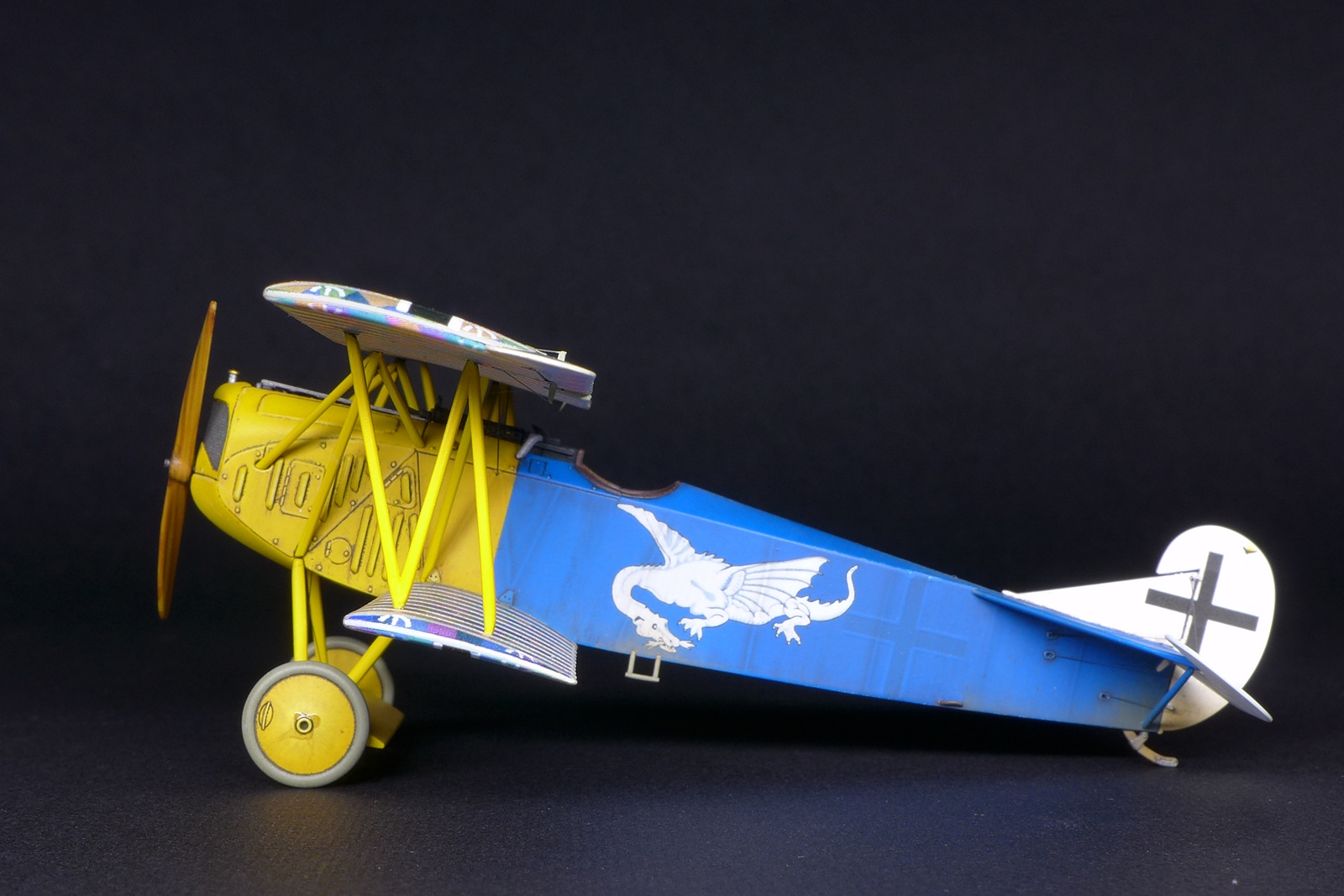
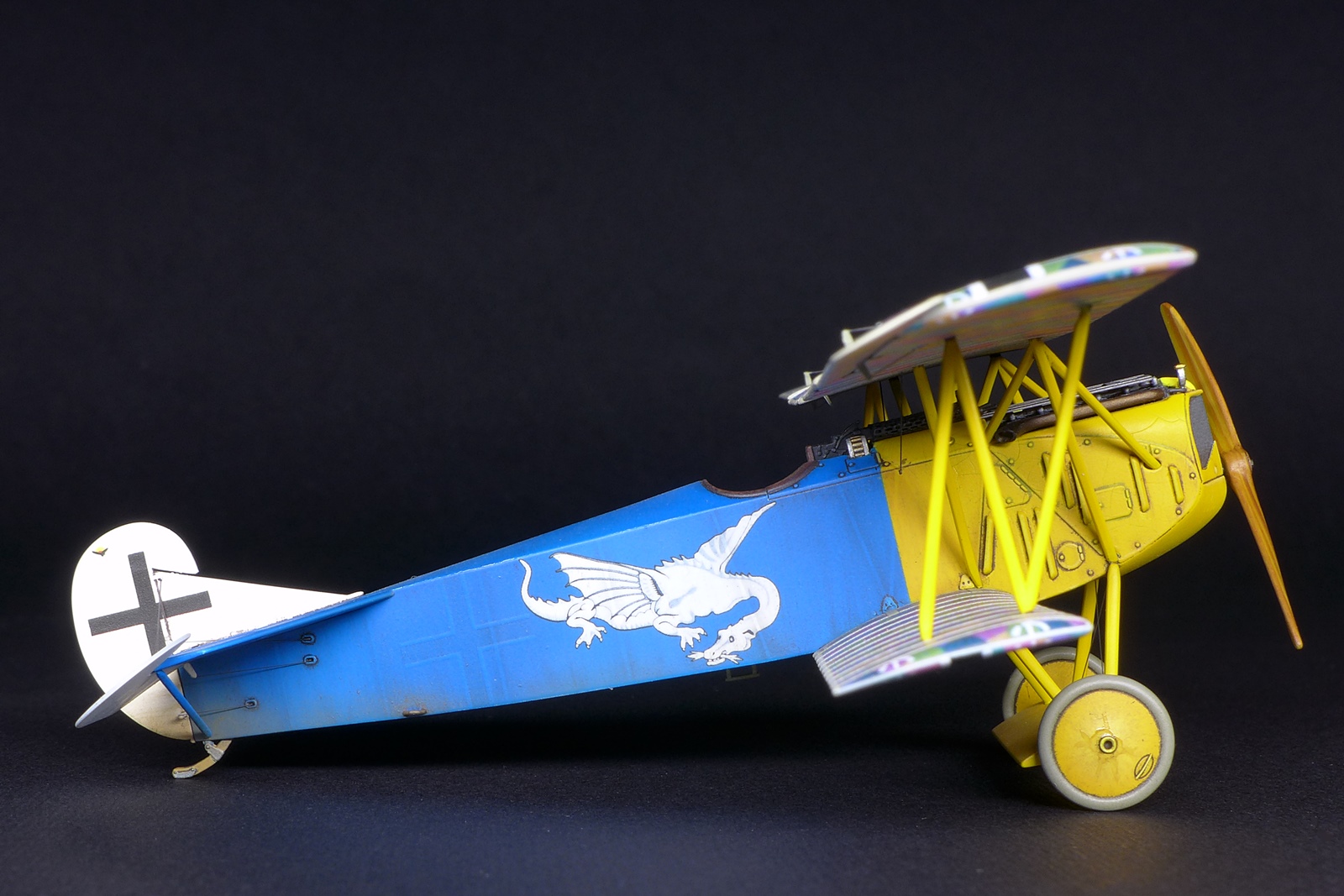
Despite all the possible inaccuracies and differences from the actual aircraft flown by Büchner and Leusch, I am very happy to have both models in my collection. In my eyes, they serve as a tribute to their courage, skill and determination, which they demonstrated during their service in the Great War.
I would like to thank Christian Smekens from Gothaforce for the interesting discussion and for providing reference material for both aircrafts.