

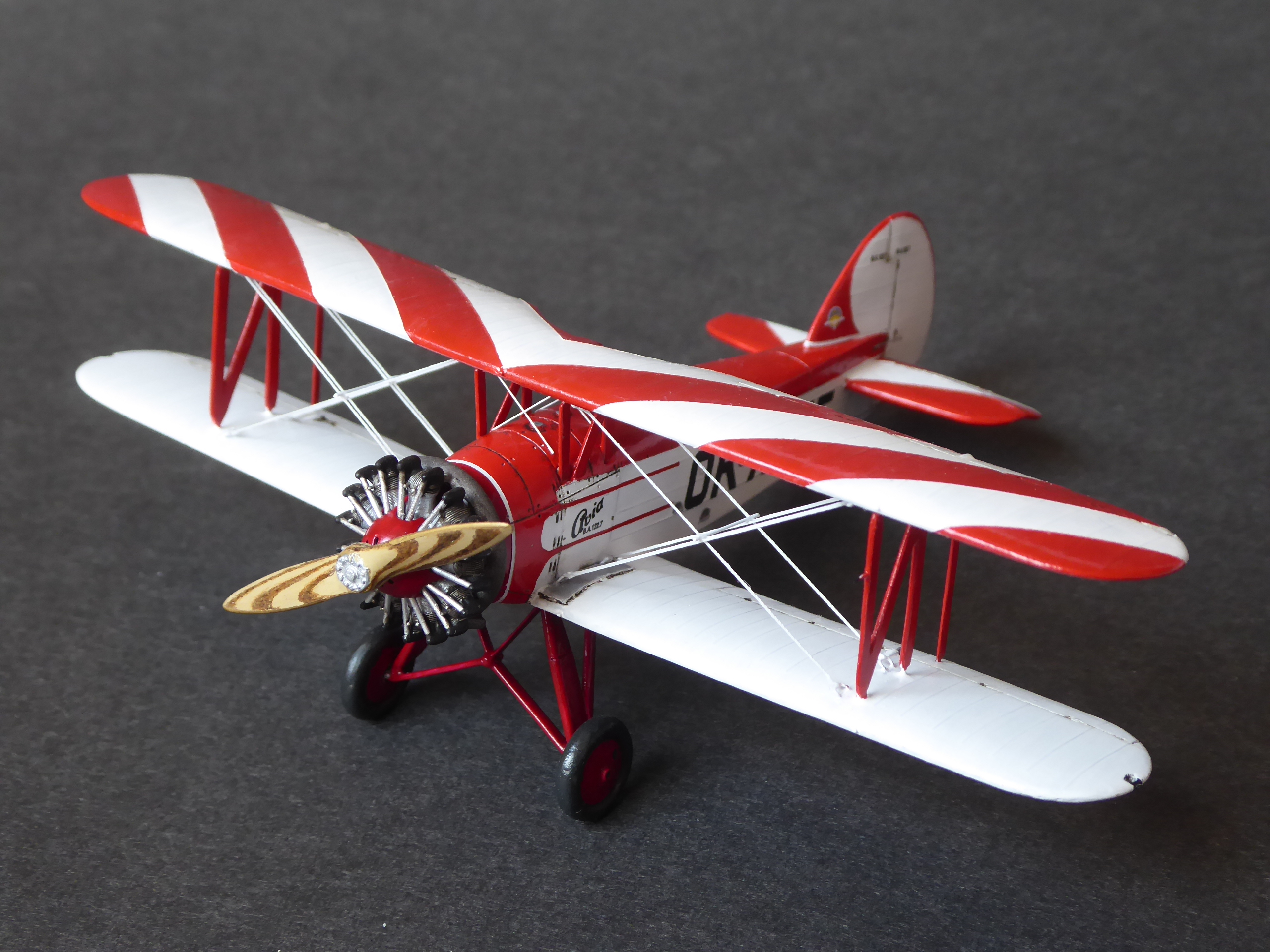
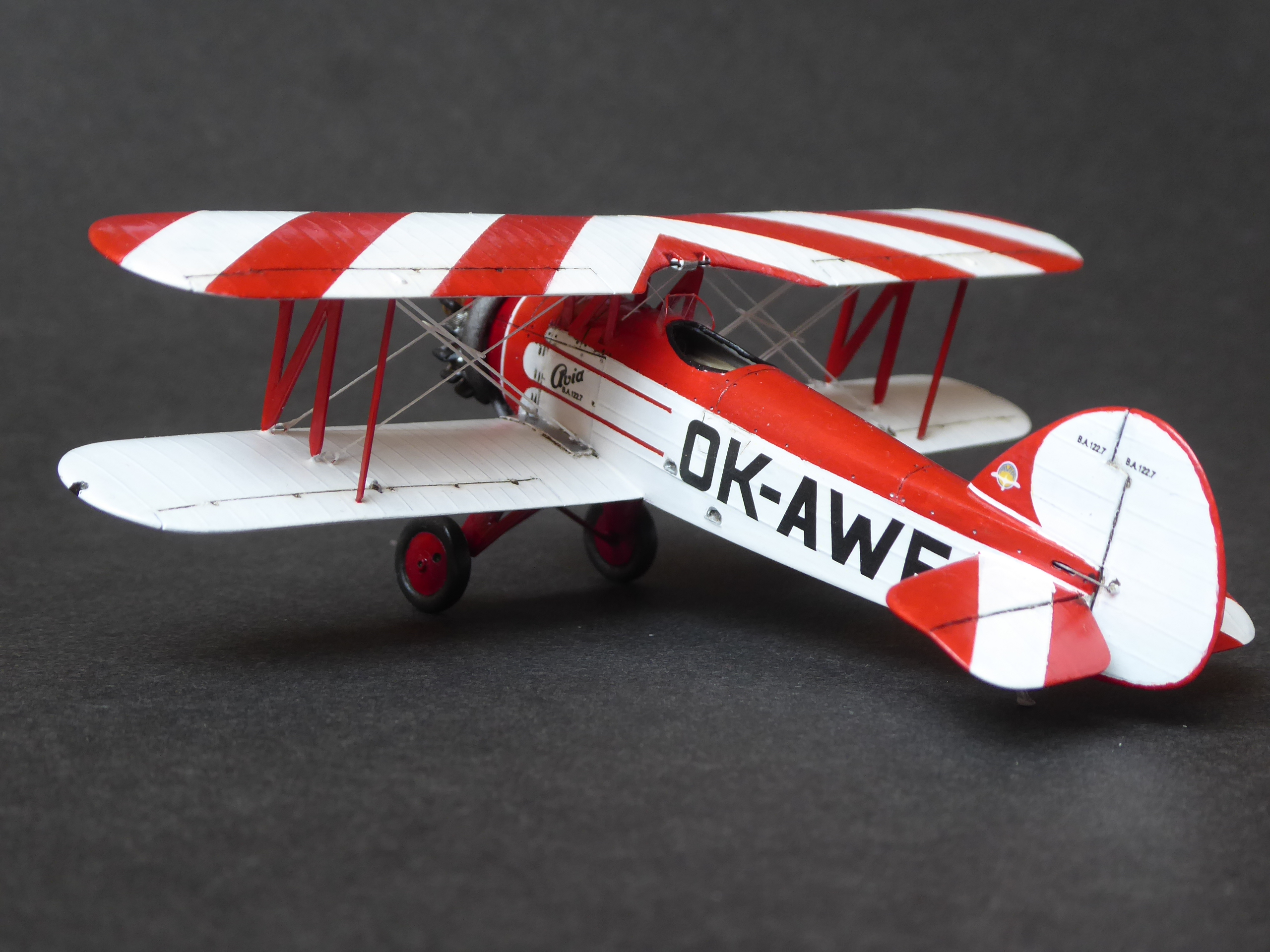
Avia Ba-122 OH-1936 1/72 RS Models
In 1936, Hitler’s Germany hosted the XI. Olympic Games. The German Aero Club, in agreement with the Olympic Committee, organized several aviation competitions, before the Games begun, including a contest in aerobatics.
Our aerobatic pilots – Lieutenant František Novák, Staff sergeant Petr Široký, and Major Ján Ambruš – gradually convinced their superiors to allow Czechoslovak pilots to participate. The problem, however, was with the aircrafts. Available were the aerobatic Avia B-122 and Ba-122, powered by seven-cylinder Walter Castor II engines producing 191 kW. Compared with other aircraft, which have already entered the competition, this represented a significant performance disadvantage.
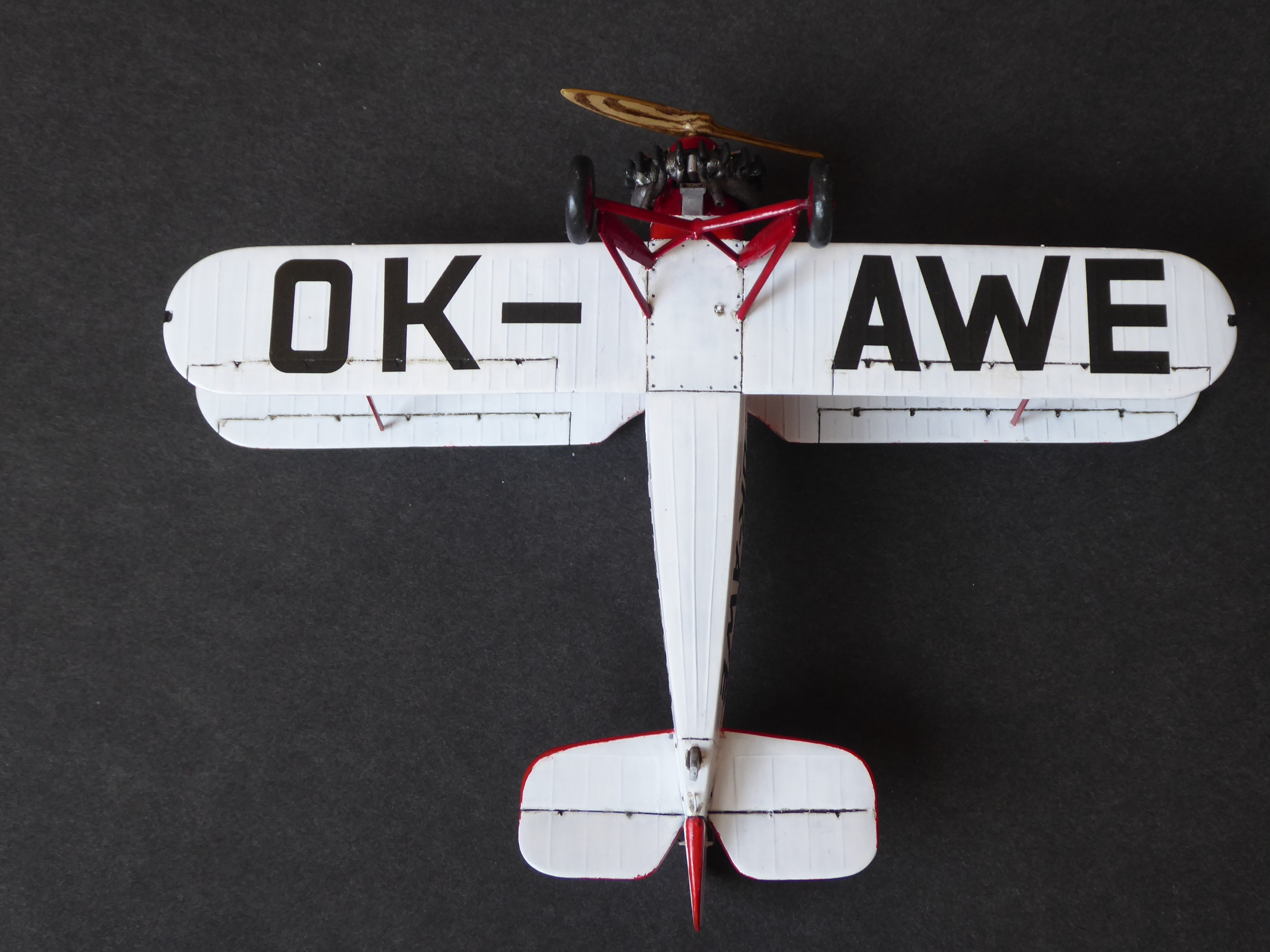
Fortunately, Avia already had already developed new Rk-17 engine, producing 264 kW, while Walter made available nine-cylinder Pollux II producing 250 kW. Avia, working closely with the pilots, began installing these engines into newly built Ba-122 airframes. Thus, three new aircraft were flown to Berlin: OK-AWE with an Rk-17, OK-AWA with an Rk-17, and OK-VIO with a Walter Pollux II. Two reserve aircraft were also sent with them: OK-AVE with a Walter Castor II and OK-AVI with a Walter Pollux II. Due to technical problems with OK-VIO, Ján Ambruš had to utilise OK-AVI.
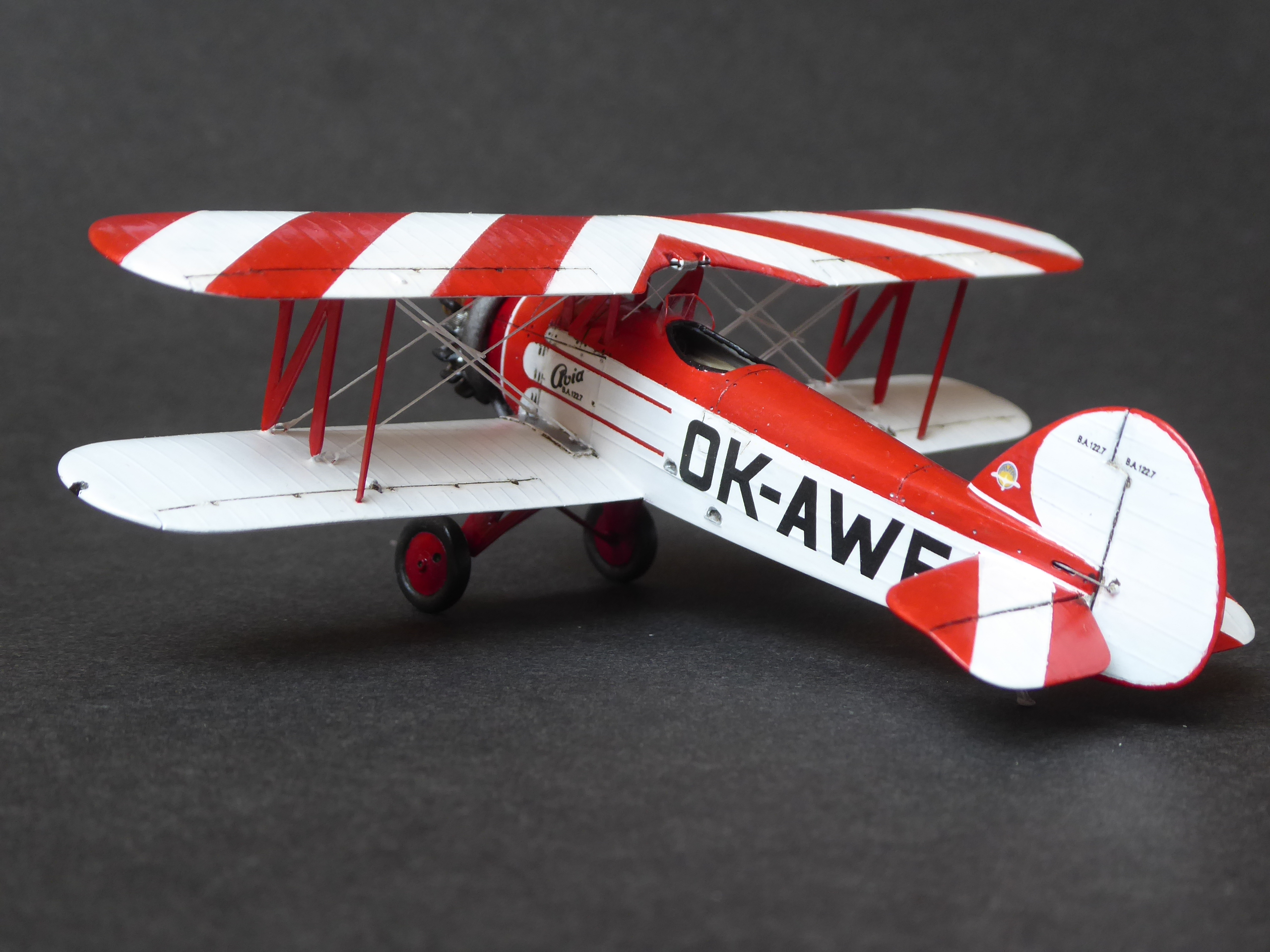
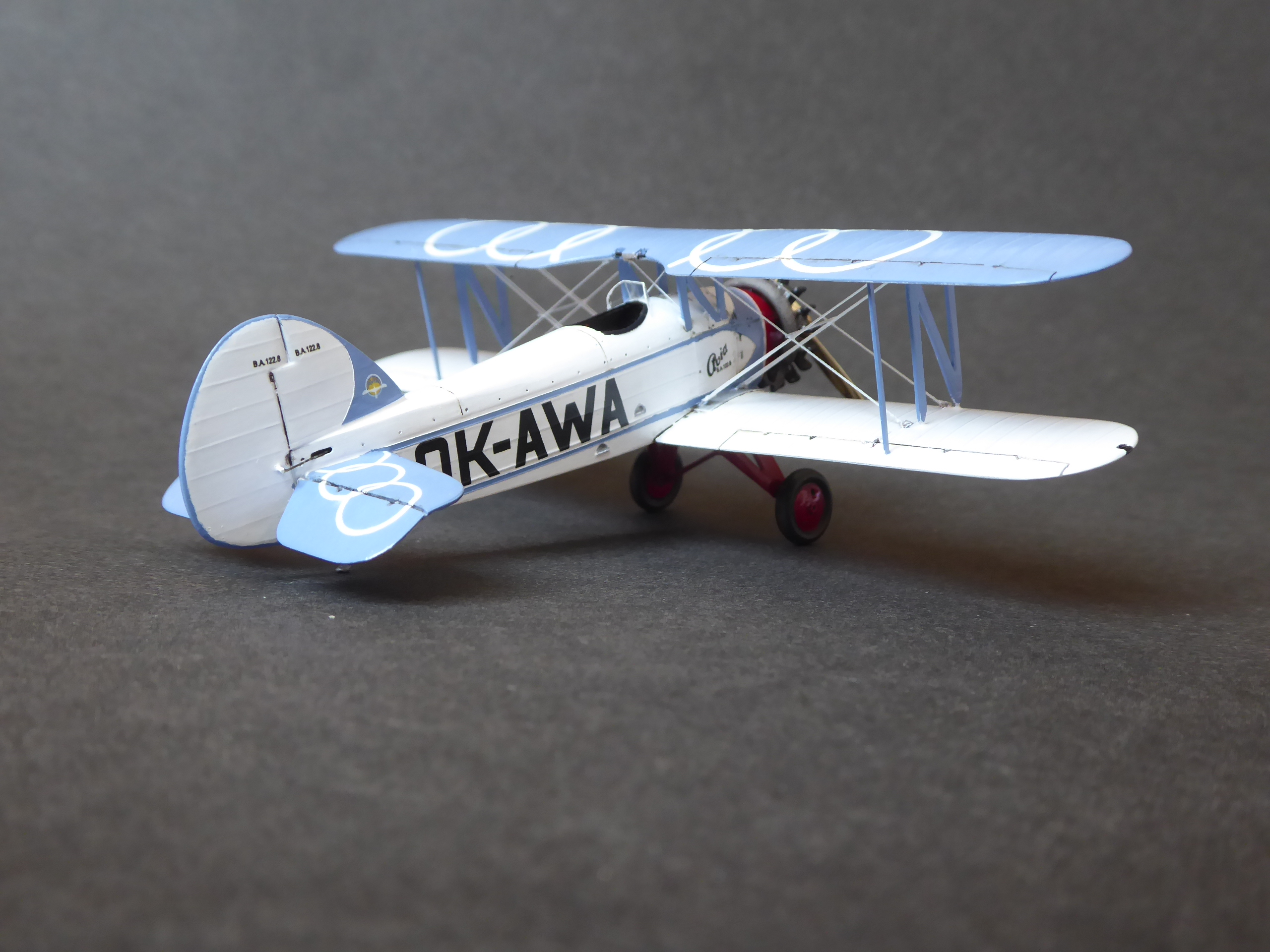
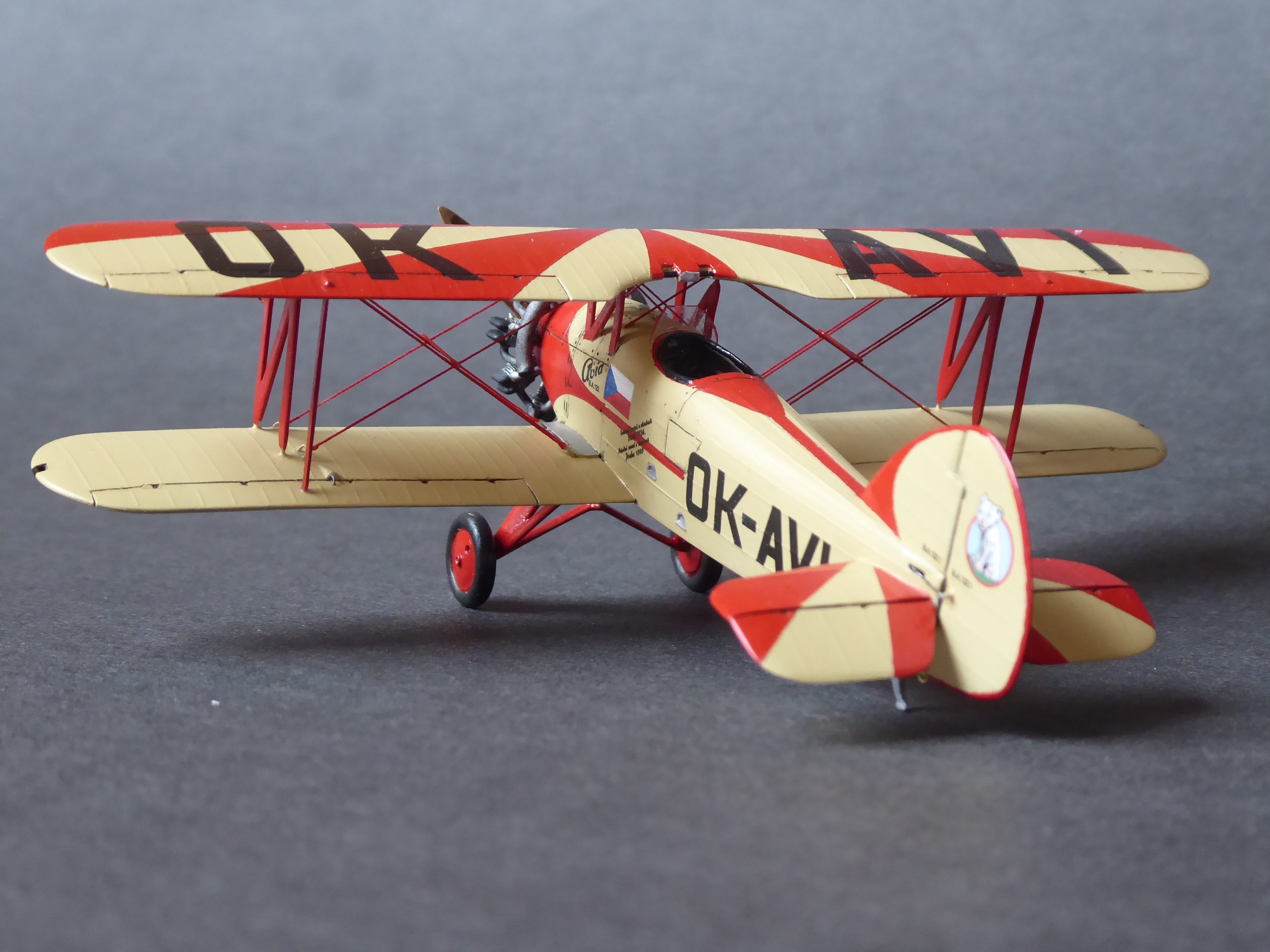
The competition took place at Rangsdorf Airfield. Petr Široký finished second, František Novák third, and Ján Ambruš eighth.
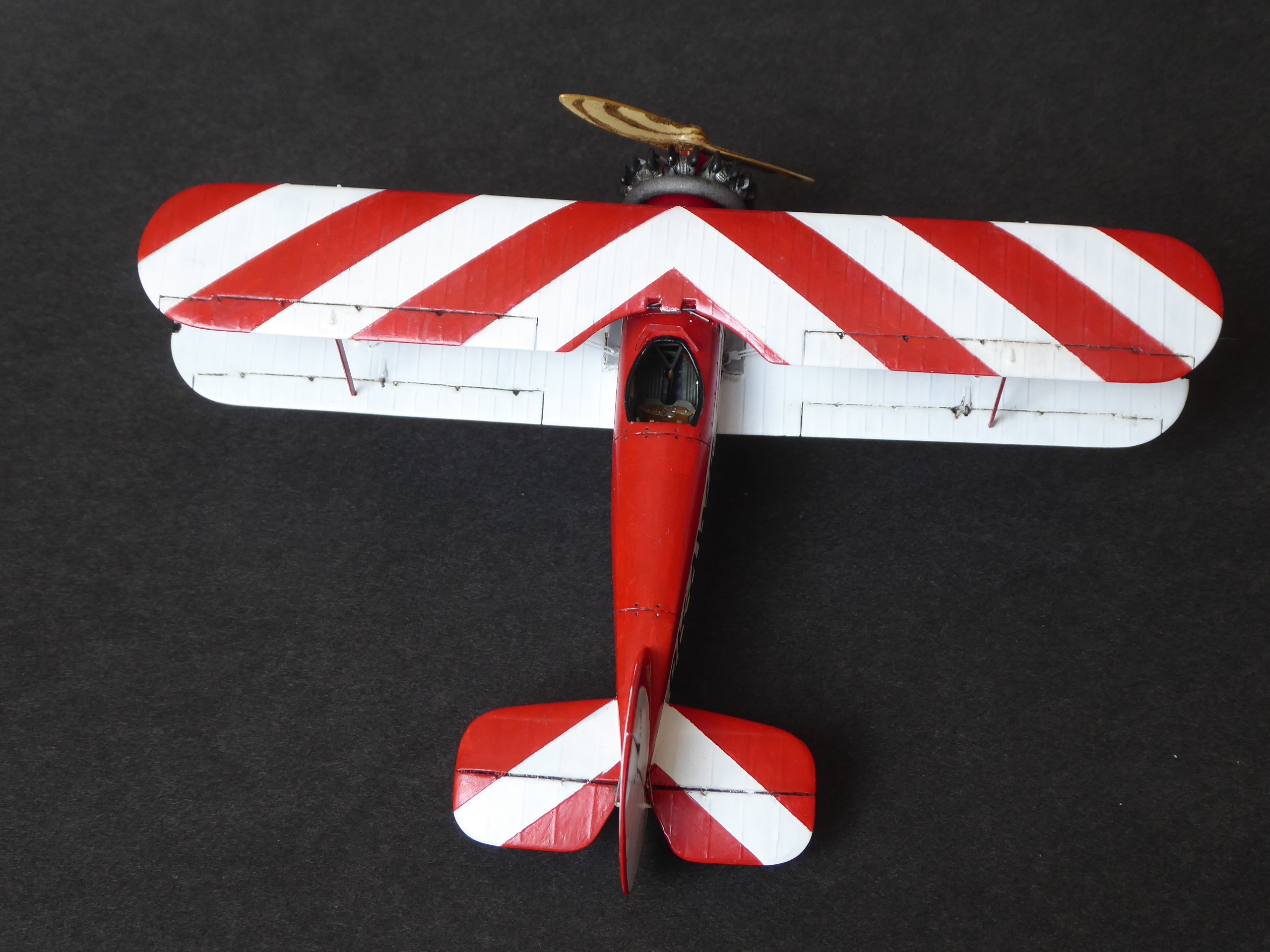
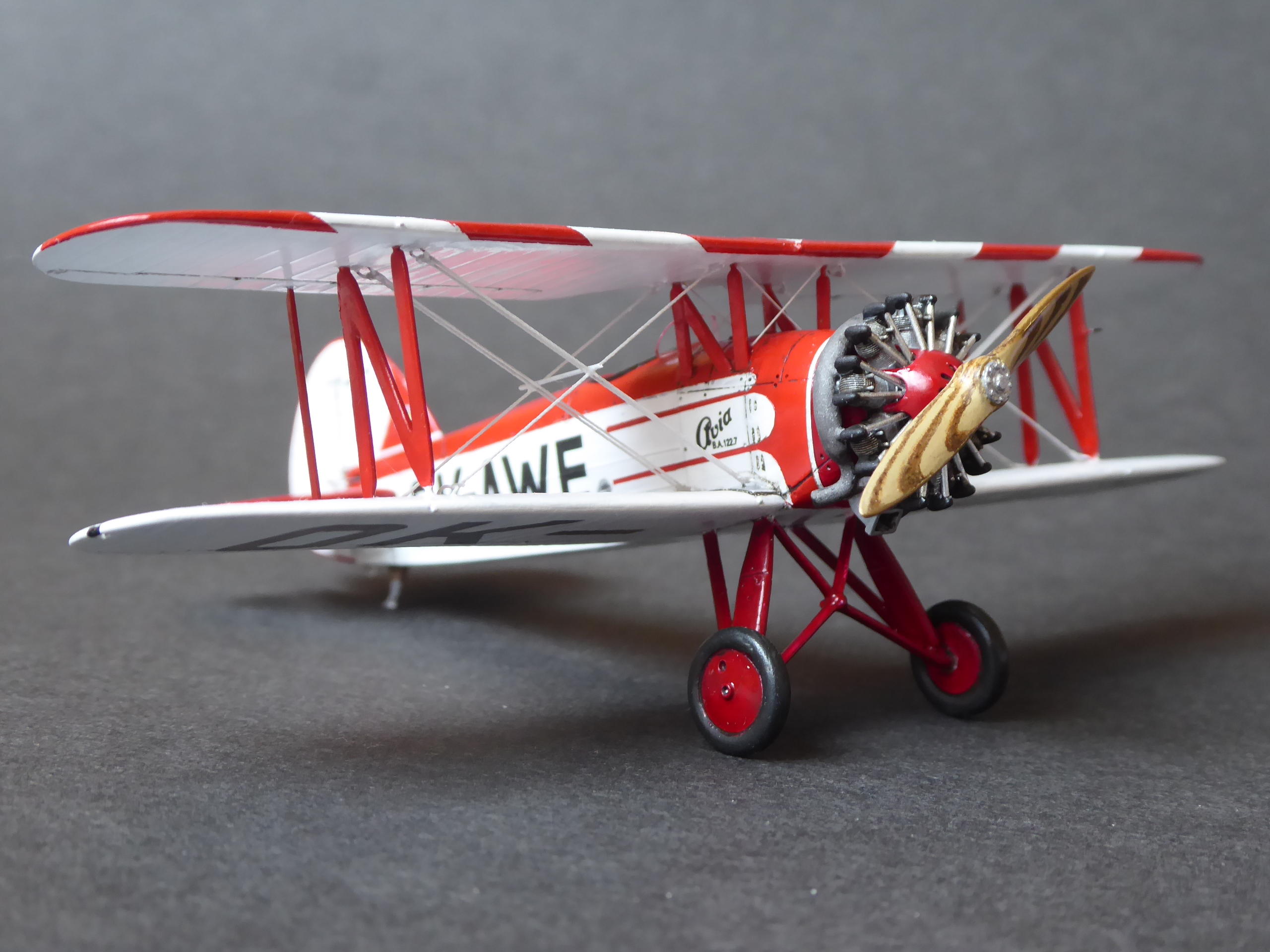
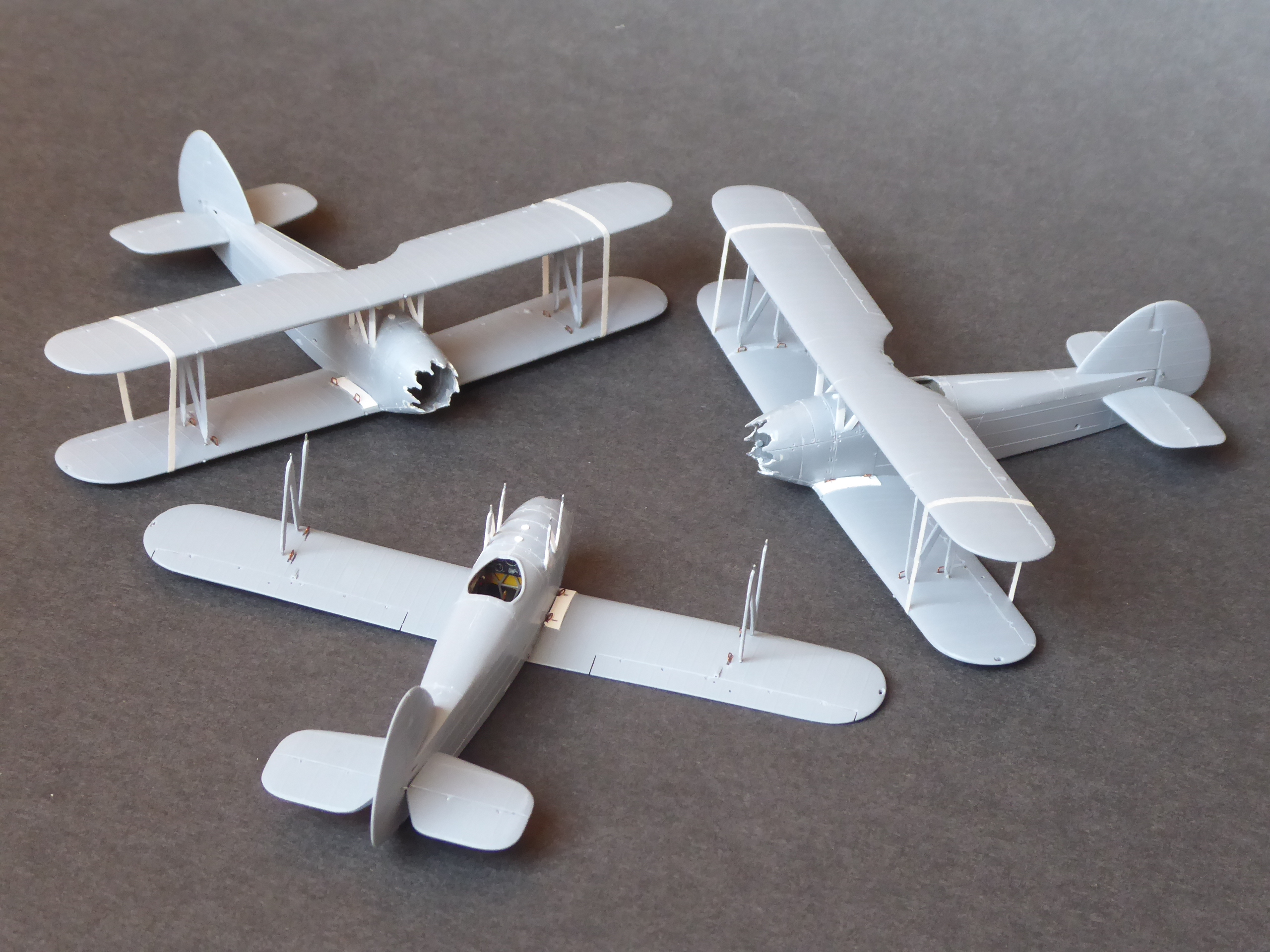
RS Models released these three Olympic specials as limited-edition kits. They are based on the standard Ba-122 kit, supplemented with high-quality 3D-printed engines and great decals. The engines, in particular, were a pleasant surprise, as they elevate the kit to a higher level.
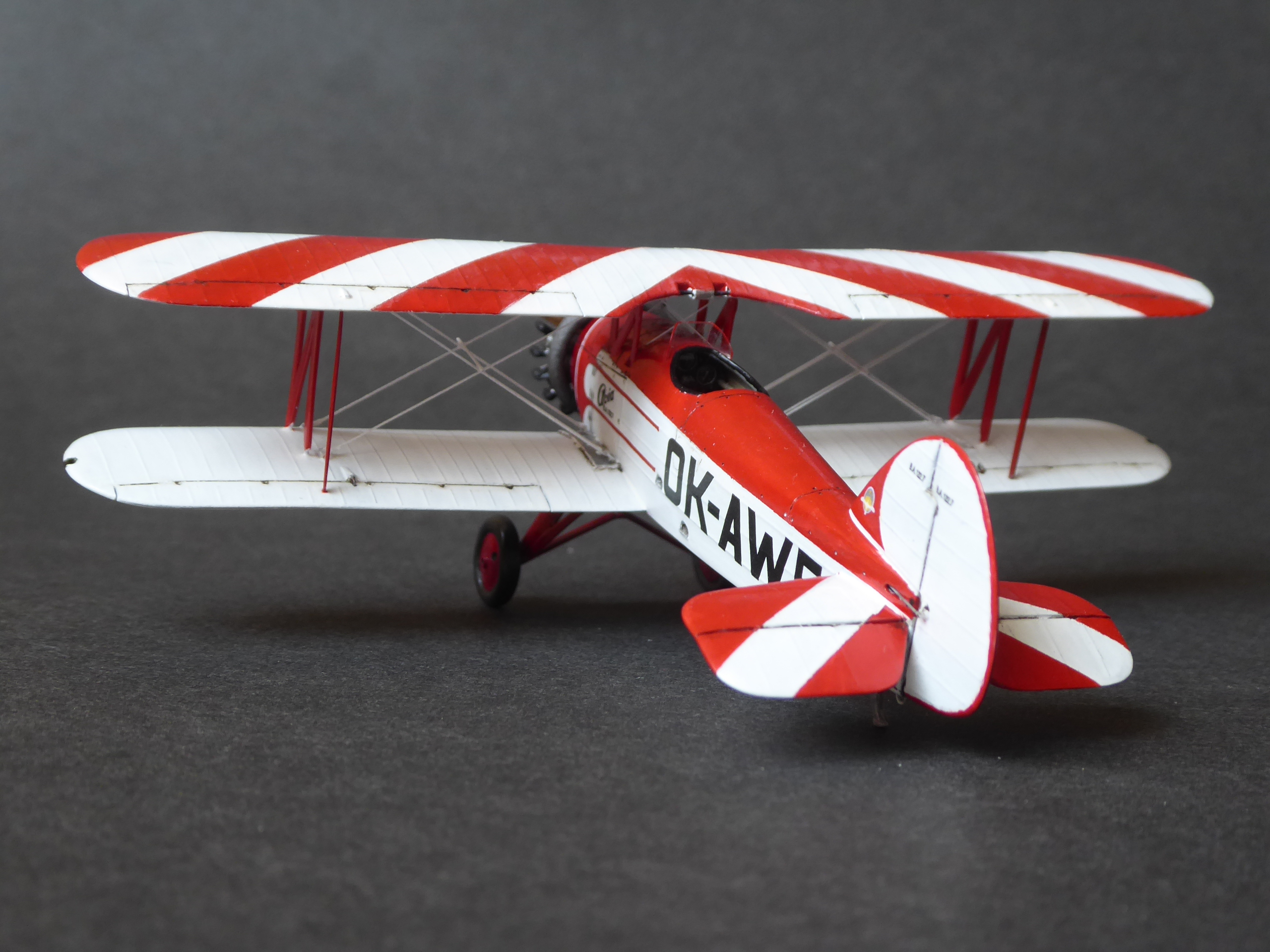
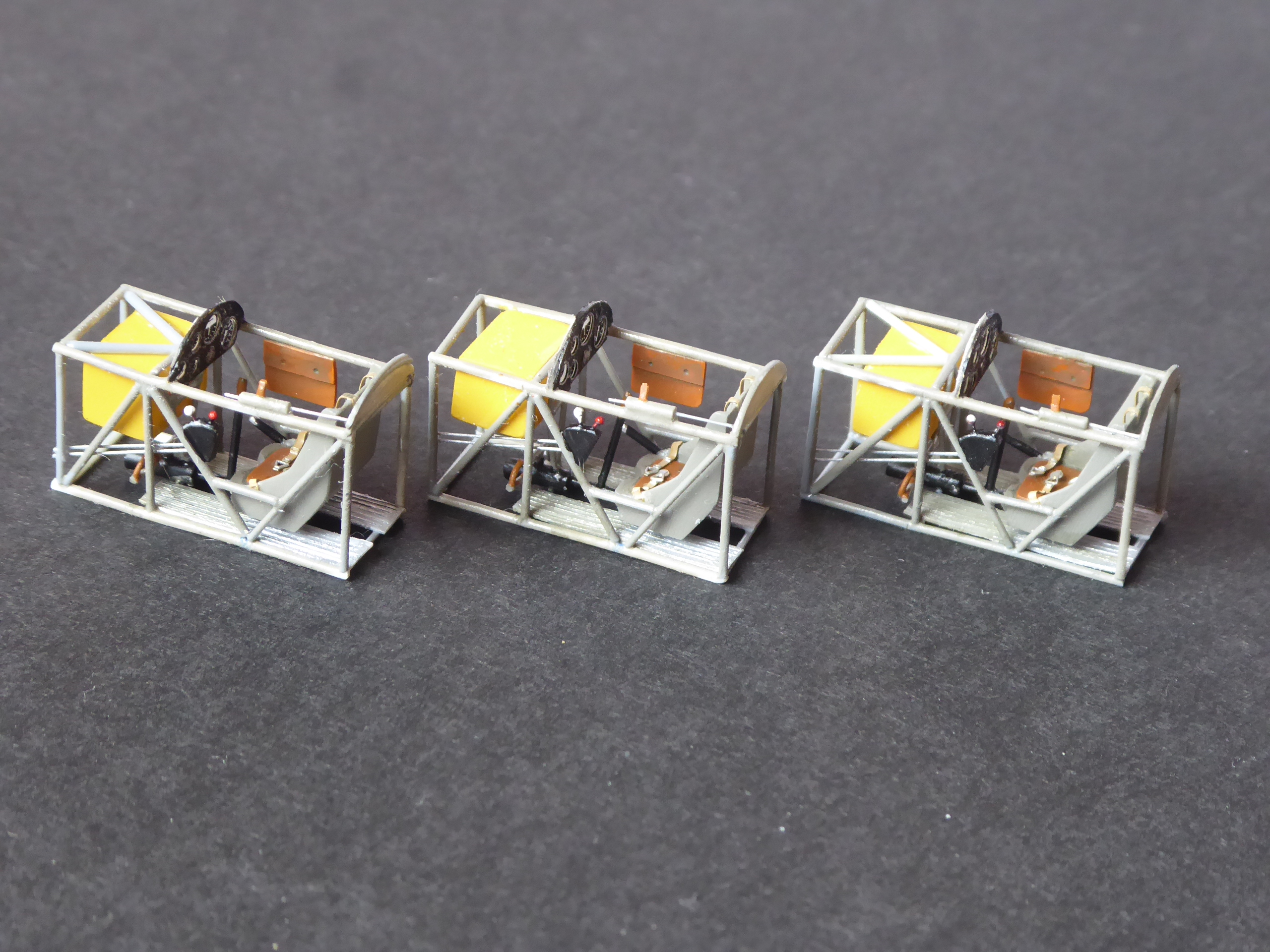
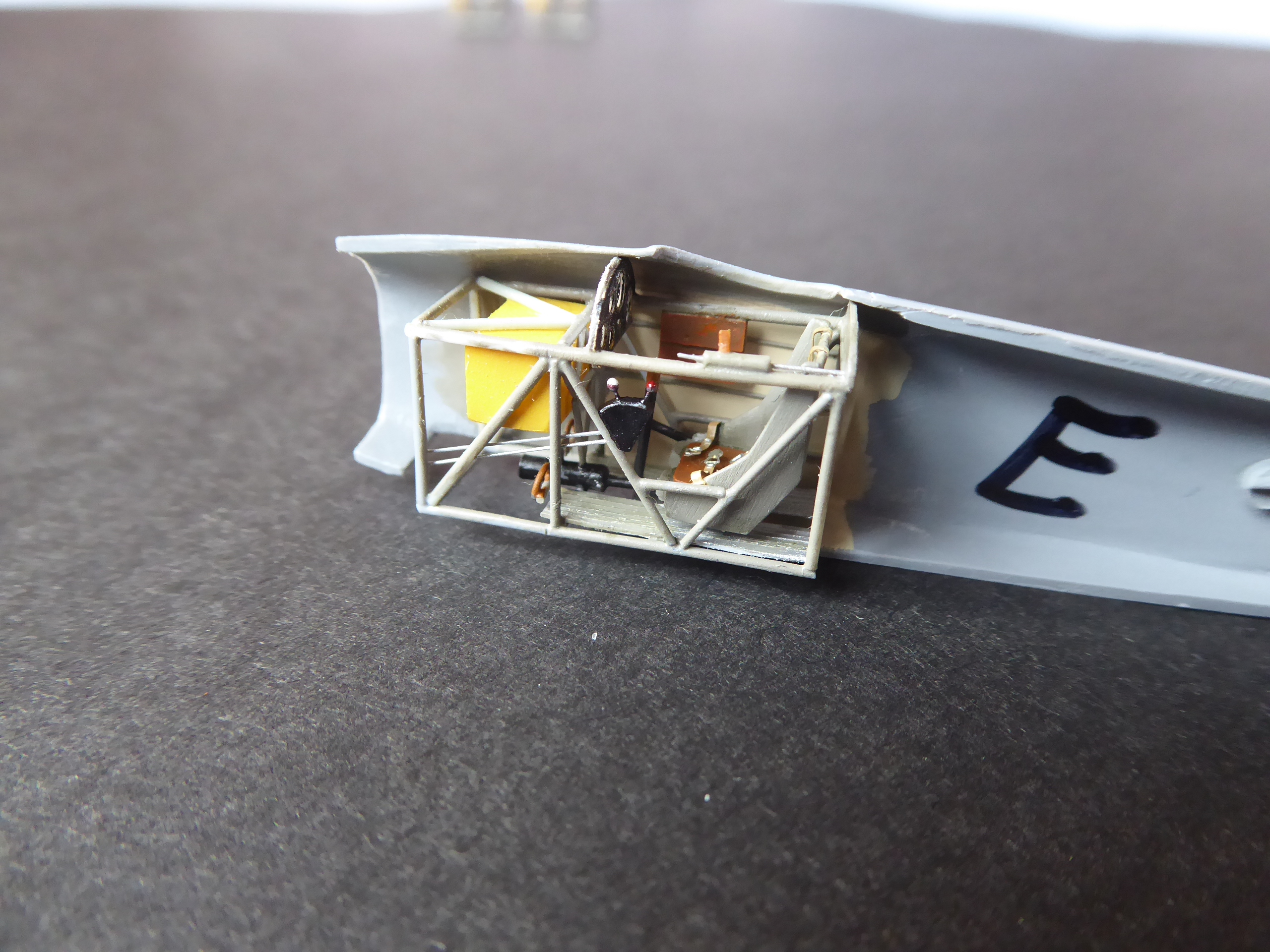
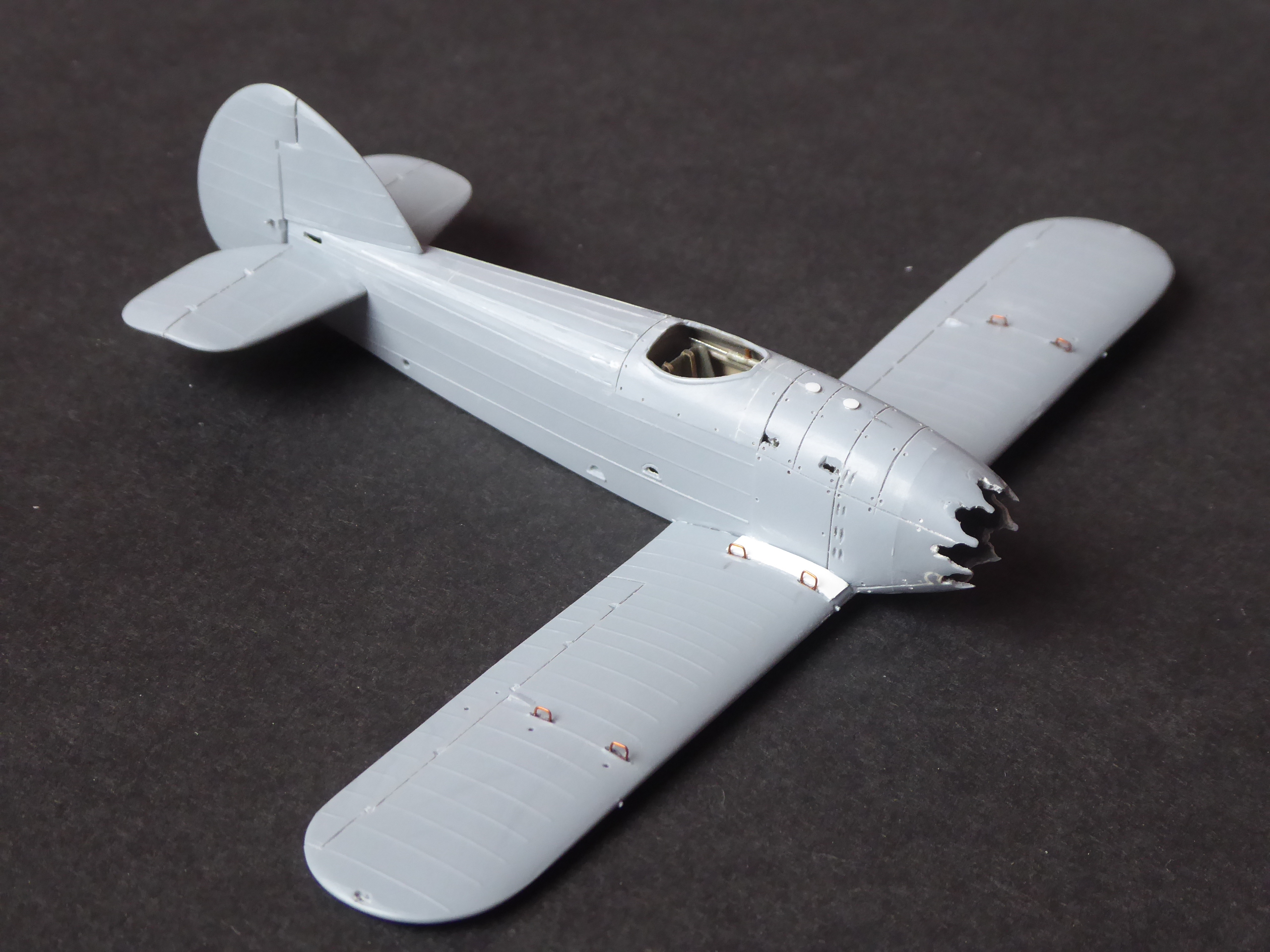
Compared to the standard kit, I made several modifications. I built a new cockpit because the opening is quite large and the interior details are clearly visible. The rigging is made from fine thread attached to U-shaped copper-wire fittings glued into grooves in the wings. The windscreen is new, made from acetate sheet.
OK-AVI had its entire fuselage covered by fabric and featured a lower rear fuselage profile. This requires some sanding and the addition of details simulating fabric. I also represented the fabric covering on the lower fuselage of all three aircraft. OK-AVI additionally had a slightly different (earlier-style) fin and rudder shape.
I replaced the fuselage struts with new plastic ones because the photo-etched parts are only as thick as the metal sheet they are made from and do not look convincing compared with the wing struts. The strut attachment points in the wings were made from wire. Based on photographs, I fitted all three aircraft with a tailskid rather than a tailwheel.
The paints I used were Humbrol (cream color on OK-AVI) and Gunze C. The clear coats were from Tamiya. As usual, everything was painted by brush.
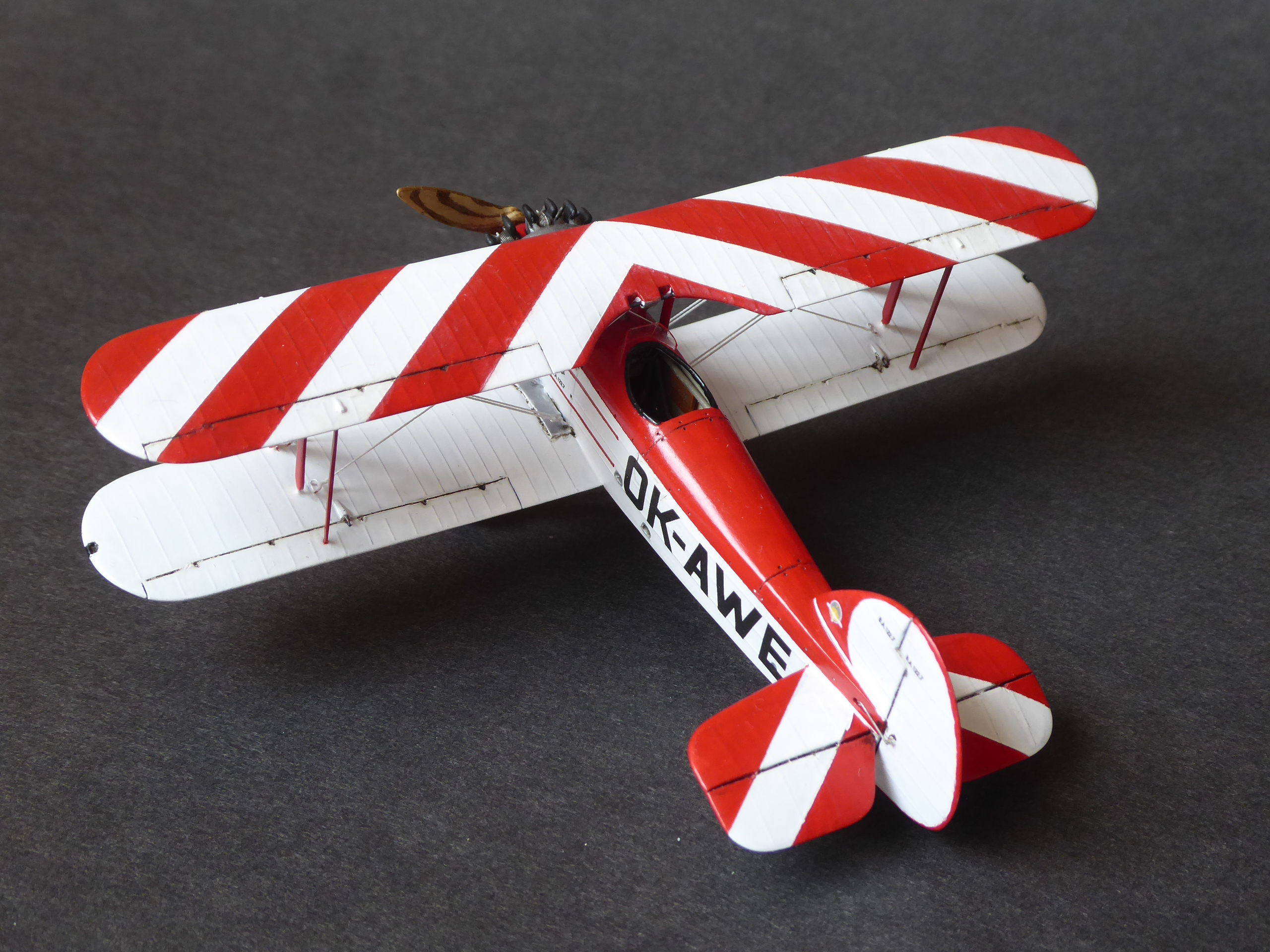
Jedna Avie krásnější než druhá. Prostě paráda.